
Veronica formosa
Veronica formosa
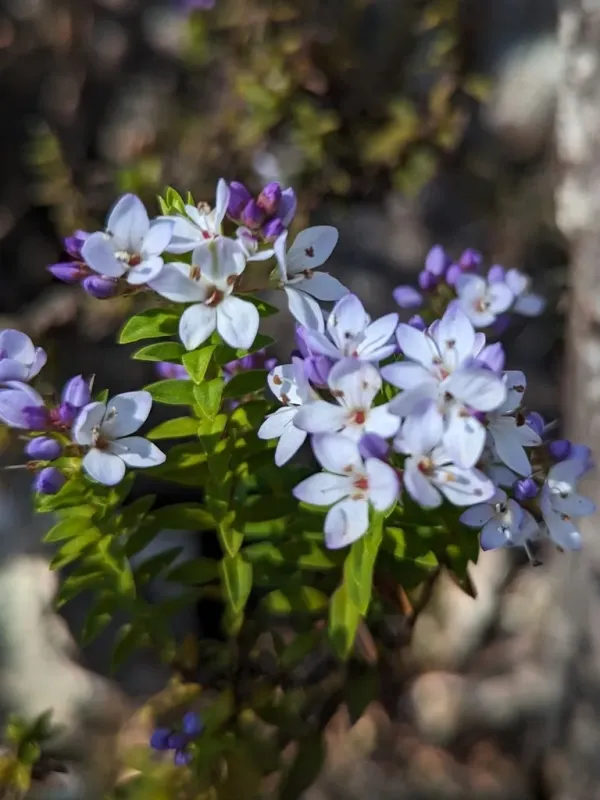
Description
Growing requirements
Veronica formosa, a member of the Plantaginaceae family, is an evergreen shrub native to the mountainous regions of Tasmania. It is widely recognized for its compact growth habit and elegant, deep green foliage.
The plant thrives in well-draining, moderately fertile soil with a neutral to slightly acidic pH level. Ensuring proper drainage is critical, as stagnant water can lead to root damage and eventual decay of the plant.
It prefers sunny locations but performs best when sheltered from harsh, drying winds and intense mid-day heat. In warmer climates, providing partial afternoon shade will significantly enhance the vigor of the shrub.
Agricultural management requires regular pruning after the flowering season to encourage a dense and bushy structure. Mulching around the base helps retain consistent soil moisture and protects the root system from temperature fluctuations.
In landscaping, this species is highly valued for rock gardens, low hedges, and mixed shrub borders. Its resilient evergreen nature makes it a perfect choice for year-round garden structure and aesthetic appeal.
Main diseases and pests
The primary concern for Veronica formosa is fungal infection, particularly root rot, which occurs in poorly drained or waterlogged substrates. Careful water management is essential to prevent these issues.
Powdery mildew may develop if the plant is grown in areas with poor air circulation and high humidity. Thinning out the branches periodically improves airflow and reduces the risk of fungal outbreaks.
Aphids and spider mites are common pests that tend to infest the soft tips of young shoots, especially during dry and hot summer months. Regular inspection and targeted insecticide applications are effective control measures.
Slugs and snails can cause significant damage to emerging foliage during the wet spring season. Implementing physical barriers or organic bait traps around the plants is a recommended practice to avoid foliage loss.
Maintaining a healthy environment through proper spacing and regular sanitation by removing dead debris helps minimize the impact of various pathogens and keeps the plant thriving.