
Veronica fairfieldii
Veronica fairfieldii
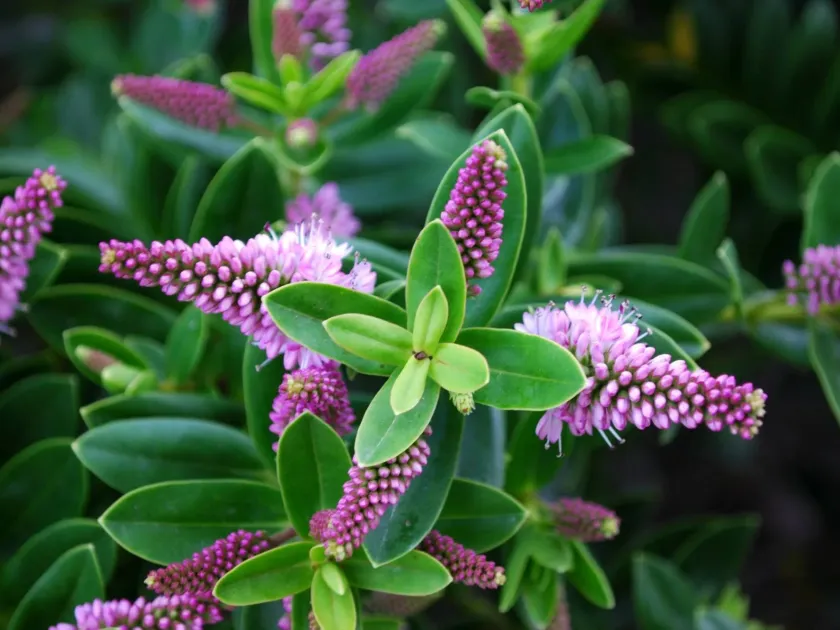
Description
Growing requirements
Veronica fairfieldii is a distinct evergreen shrub belonging to the Plantaginaceae family. Originally native to New Zealand, this plant has gained popularity in temperate gardens due to its unique foliage color and structural versatility.
The plant is characterized by its compact, rounded growth habit and bronze-tinted foliage. These leaves remain attractive throughout the year, making it a reliable choice for gardeners looking for year-round color in their landscape designs.
Cultivation requires a position with full sun or light shade. While it can survive in various light conditions, the most intense and attractive foliage coloration is achieved when the shrub receives maximum sunlight exposure during the growing season.
Proper soil management is critical, as this species demands well-drained conditions. It performs exceptionally well in stony or sandy soil mixes, provided there is enough organic matter to support nutrient intake without waterlogging the root zone.
The plant is generally low-maintenance, requiring only occasional pruning to maintain its shape. It is suitable for rock gardens, container planting, and as a low-hedge element in mild climates where winter hardiness is not a primary concern.
Main diseases and pests
The primary threat to Veronica fairfieldii is root rot caused by stagnant water in the soil. Maintaining a strict irrigation schedule and ensuring the planting site is elevated or properly drained is the best defense against fungal pathogens.
Insects like aphids and spider mites can occasionally cause damage to the tender new growth. Providing adequate spacing between plants ensures good air circulation, which reduces the likelihood of both pest infestations and fungal disease outbreaks.