
Veronica epacridea
Veronica epacridea
Description
Growing requirements
Veronica epacridea is a distinctive perennial plant belonging to the Plantaginaceae family. Native to the alpine regions of New Zealand, it has evolved to thrive in harsh, exposed mountain environments, making it a highly resilient species for specific horticultural uses.
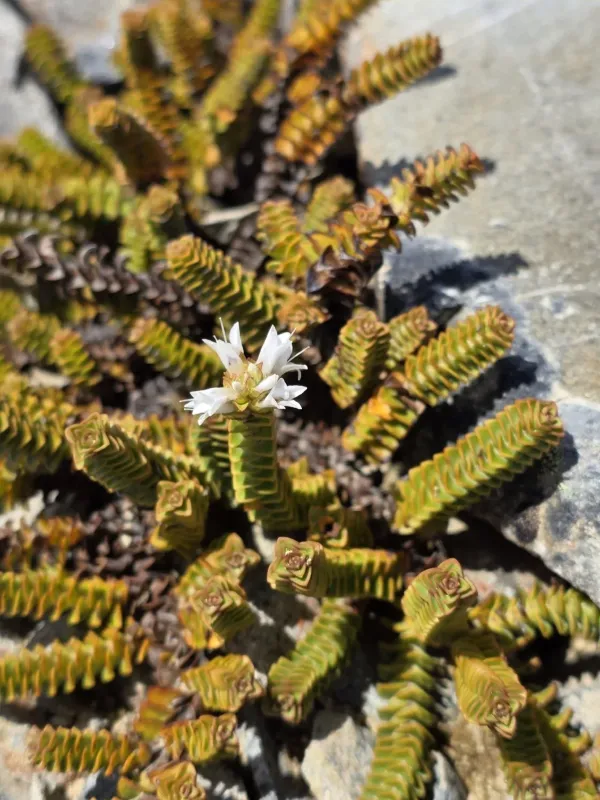
The plant exhibits a unique cushion-like growth habit, characterized by stiff, overlapping leaves that offer a foliage texture resembling coniferous plants. Its compact architecture is a result of adaptation to wind-swept landscapes where survival depends on minimizing surface area exposure.
In terms of growing requirements, this species demands exceptionally well-drained, gritty, or rocky soils. It is intolerant of heavy, clay-based substrates that retain water, which can quickly lead to physiological stress and root death.
Climate preferences for this plant include cool temperatures and high solar irradiance. It is not well-suited for hot, humid lowland climates and thrives best in conditions that replicate the cooler air and intense light of high-altitude zones.
Cultural practices should focus on minimal maintenance, as the plant is adapted to nutrient-poor soils. Irrigation should be restricted to periods of extreme drought, and the use of gravel mulch around the base is essential to keep the foliage dry and free from soil contact.
Main diseases and pests
The primary threat to Veronica epacridea in cultivation is root rot caused by poor drainage or excessive soil moisture. Once a fungal infection establishes itself in the woody base of the plant, it is often difficult to reverse, making prevention the best strategy.
Garden pests such as slugs and snails are problematic, especially during the spring growth phase. These mollusks can graze heavily on the succulent-like foliage, causing disfigurement and providing entry points for secondary bacterial infections.
In humid or stagnant air environments, fungal foliage diseases can manifest. Ensuring proper spacing and keeping the area around the plants free of debris and fallen leaf litter significantly reduces the incidence of such outbreaks.
Spider mites may occasionally occur during prolonged hot and dry spells. These pests suck sap from the leaves, causing chlorosis and weakening the plant's overall vigor, which necessitates early detection.
Maintaining a clean, well-aerated gravel mulch layer acts as a critical barrier against soil-borne pathogens and keeps the lower foliage healthy throughout the active growing season.