
Veronica caninotesticulata
Veronica caninotesticulata
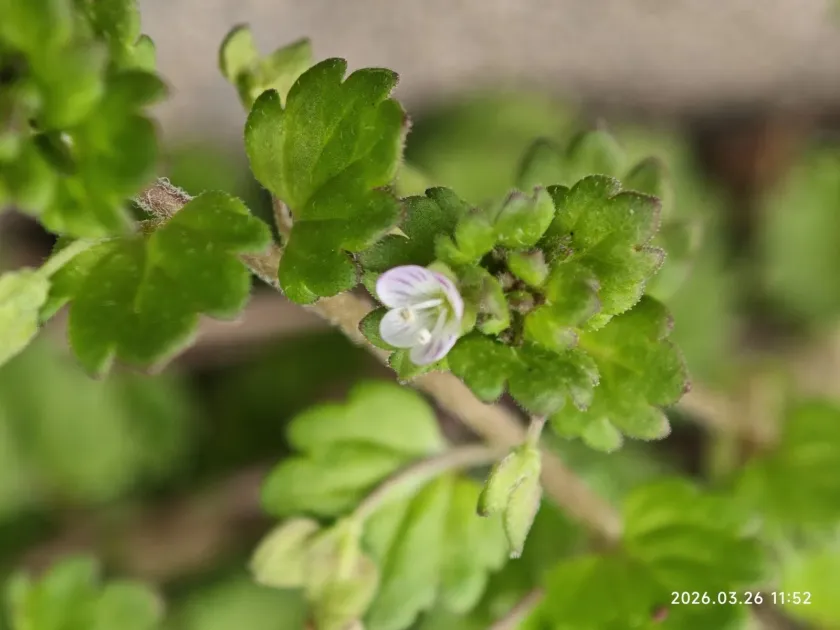
Description
Sowing dates
Sowing of Veronica caninotesticulata typically takes place in the spring, once soil temperatures consistently reach 10-12 degrees Celsius. Stratification of seeds is highly recommended to improve germination rates, as the seeds often require a dormancy break before they can sprout effectively in field conditions.
The seeds should be sown at a shallow depth of 0.5 to 1 centimeter, as their small size makes them sensitive to soil compaction and coverage thickness. Maintaining row spacing between 20 and 30 centimeters ensures adequate space for management and mechanical weeding.
Late autumn sowing is an alternative strategy, allowing seeds to experience natural cold cycles. This method is effective in well-drained soils where the risk of winter waterlogging is minimal, ensuring an early start to the growth cycle in the following spring.
The seeding rate ranges from 2 to 4 kilograms per hectare, depending on the purity and germination index of the seed lot. Precision seeders are advised to optimize the plant density and reduce unnecessary wastage of expensive planting material.
Rolling the soil lightly after sowing is crucial to ensure good contact between seeds and the soil matrix, which is vital for moisture uptake. Seedlings usually emerge within two to three weeks under consistent moisture and warmth.
Growing requirements
Veronica caninotesticulata is a member of the Plantaginaceae family and thrives in open, sun-exposed fields. It is adaptable to various soil profiles, but it prefers well-structured, loamy soils that provide a balance between drainage and moisture retention.
While the crop is relatively hardy, it does not tolerate waterlogged conditions, which can lead to root system degradation. Proper field leveling is required to prevent water stagnation in lower areas of the field during periods of heavy rainfall.
Fertility management should focus on balanced NPK ratios, with a slight emphasis on phosphorus to support root establishment and early vegetative vigor. Soil pH should ideally be near neutral to maximize the availability of micronutrients.
The crop prefers temperate climates with an optimal growth range of 18 to 25 degrees Celsius. It demonstrates good resilience to fluctuating weather patterns, although significant late-spring frosts can impact young seedlings.
Field maintenance involves timely inter-row cultivation to eliminate weed competition in the early growth stages. Once the canopy closes, the crop effectively suppresses most weed pressure, reducing the need for intensive labor.
Yield
Yield expectations for Veronica caninotesticulata range from 1.5 to 2.5 tonnes of dried biomass per hectare, depending on soil quality and agricultural input levels. Optimal management practices significantly enhance the uniformity and quality of the final product.
The timing of harvest is critical for yield, as the concentration of secondary metabolites peaks during the full flowering stage. Harvesting at this specific phenological phase ensures the best market value for the biomass.
With favorable rainfall or irrigation, a second cut is possible in one season, doubling the total seasonal output. This practice requires proper timing to ensure the plant has enough time to recover before the onset of dormancy.
Seed yield varies between 150 and 300 kilograms per hectare. Harvesting seeds requires specific attention, as they are prone to shattering if left on the stalk too long, requiring harvesting at the point of early wax ripeness.
Quality control during drying and storage is essential to maintain the product's integrity. Proper processing results in a high-quality, fragrant, and clean raw material that meets stringent agricultural standards.
Main diseases and pests
Powdery mildew is the most significant disease, particularly in high-humidity areas or where crop density is too high. Improving field aeration through strategic spacing is the primary preventive measure against this fungal pathogen.
Root rot, often caused by excessive irrigation or poor drainage, remains a constant threat. Integrating a proper crop rotation plan, where Veronica is not grown on the same field more than once every three to four years, is essential.
Pests such as aphids and spider mites can attack the crop, particularly during hot and dry spells. Integrated pest management (IPM), including the use of biological controls or targeted insecticides, is recommended when thresholds are exceeded.
Leaf spot diseases may appear due to sudden shifts in temperature or humidity. While these do not typically kill the plant, they can reduce the overall yield and aesthetic quality of the harvested biomass.
- Use of certified pathogen-free seeds
- Regular field scouting during vegetative growth
- Application of preventative fungicides only if necessary
Harvesting
Harvesting is performed during the peak flowering phase to ensure the plant contains the maximum amount of active chemical compounds. The aerial parts are typically harvested 5 to 10 centimeters above the soil surface.
For large-scale operations, mechanical forage harvesters or mowers are employed. Prompt transport to drying facilities is critical to prevent spontaneous fermentation of the green material, which would degrade its quality.
The drying process takes place in specialized ventilated sheds or climate-controlled chambers, keeping temperatures below 40 degrees Celsius. This prevents the degradation of sensitive compounds and ensures a high-quality, stable product.
Seed harvesting uses specialized combines equipped with hermetically sealed bins to prevent losses. Pre-harvest desiccation is often performed to ensure the entire crop matures uniformly, facilitating a cleaner and more efficient threshing process.
Post-harvest management involves clearing the field of debris to reduce the carry-over of pathogens for the next season. Deep plowing is then recommended to prepare the soil and bury any remaining stubble effectively.