
Verbena bonariensis
Verbena bonariensis x Glandularia hybrida
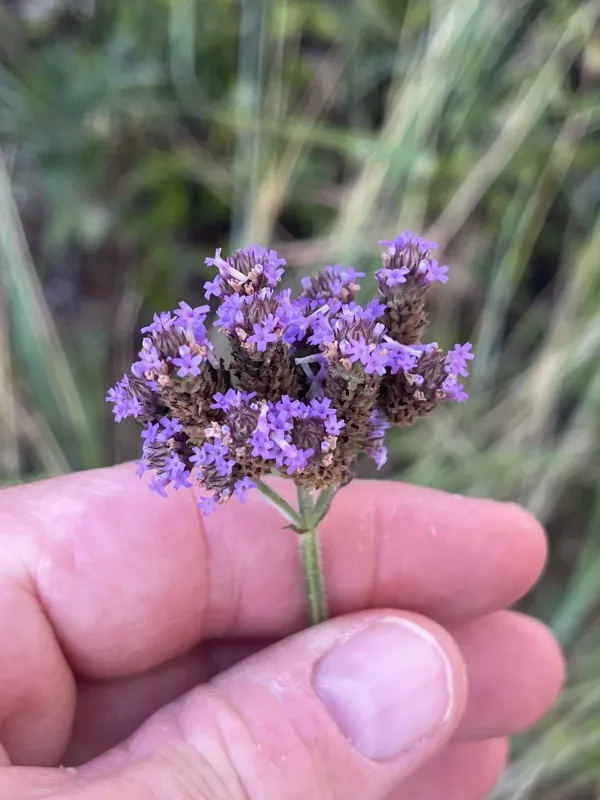
Description
Sowing dates
Verbena bonariensis is a prominent member of the Verbenaceae family, widely recognized for its long, slender stems and cluster-like purple inflorescences.
Seeds should be sown in late winter or early spring under controlled indoor conditions. Because the seeds require light to germinate, they must be sown on the surface of the soil rather than buried deep.
Cold stratification for approximately two weeks is highly recommended to break seed dormancy and ensure uniform germination rates across the entire tray.
Seedlings should be transplanted into larger containers or individual pots once they develop their first set of true leaves to prevent crowding and nutrient competition.
Final transplanting into the field must be delayed until all risk of frost has passed, as the plant is sensitive to low temperatures during its juvenile stage.
Growing requirements
This species thrives in full sun exposure. Adequate light is essential for maintaining the structural integrity of the stems and preventing etiolation.
The ideal soil profile is well-draining, moderately fertile, and slightly acidic to neutral in pH. Poor drainage is the primary cause of failure in cultivation.
While established plants show some drought tolerance, regular watering during prolonged dry spells is necessary to sustain continuous flowering and plant vigor.
Fertilization should be managed carefully; excessive nitrogen will result in lush vegetative growth at the expense of the characteristic airy, floral displays.
Proper plant spacing is crucial for airflow; planting density should be adjusted to keep the canopy open, which reduces the incidence of common fungal infections.
Main diseases and pests
Powdery mildew represents the most significant pathological threat to this culture, appearing as a white, dusty coating on foliage during periods of high humidity.
Spider mites are common pests that thrive in dry environments, causing stippling and yellowing of the leaves if not monitored and managed with appropriate acaricides.
Aphid infestations can occur on young flower buds and shoots, necessitating biological control methods or the application of systemic insecticides when populations spike.
Root rot is typically an issue in soils that do not provide adequate drainage. Improving the soil structure or installing raised beds is the best preventative strategy.
Regular monitoring of plant health allows for early detection of potential threats, ensuring that minor pest issues do not escalate into large-scale infestations.