
Verbascum levanticum
Verbascum levanticum
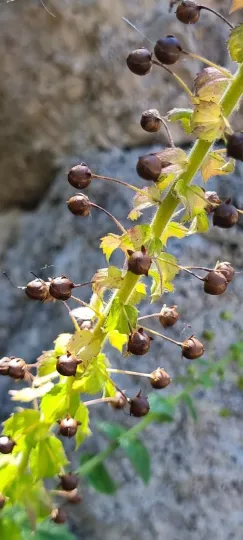
Description
Sowing dates
Sowing Verbascum levanticum, a member of the Scrophulariaceae family, is typically carried out in early spring once soil temperatures reach at least 10-12 degrees Celsius. Given the tiny size of the seeds, they should be sown shallowly, ideally at a depth of no more than 0.5-1 centimeter.
Field preparation is crucial, involving the clearing of weeds and leveling of the soil surface to ensure uniform germination. Mechanical sowing often utilizes row spacing of 45-60 centimeters to facilitate efficient management and later harvest operations.
Germination generally occurs within 2-3 weeks after sowing, provided the soil moisture is kept consistent. During the first year, the plant focuses on establishing a strong root system and a basal rosette of leaves before transitioning to its reproductive phase.
Sowing density should be managed based on the intended end-use of the crop. Ensuring each plant has adequate space prevents excessive competition for light and nutrients, which is vital for the development of healthy, high-quality biomass.
The seeds maintain high viability for several years if stored in cool, dry conditions. This reliability allows for strategic planning of seasonal sowing, ensuring stable crop rotation schedules throughout the farming operation.
Growing requirements
Verbascum levanticum is a light-demanding crop that thrives in open, sunny locations with direct sun exposure throughout the day. Insufficient light can lead to spindly growth and a decrease in the production of vital secondary metabolites.
While the plant is not overly demanding regarding soil fertility, it performs exceptionally well in well-drained, sandy or loamy soils. Avoiding waterlogged areas is essential, as the plant is highly sensitive to root asphyxiation caused by standing water.
The species exhibits remarkable drought tolerance, largely due to the dense, woolly hairs covering its leaves and stems, which significantly reduce transpiration rates. This trait makes it a suitable candidate for cultivation in arid or semi-arid regions.
The ideal soil pH for this crop ranges between 6.0 and 7.5. It is known for being quite adaptable and can tolerate slightly alkaline conditions, which allows it to be grown on various types of agricultural land with minimal soil modification.
Agronomic management should prioritize balanced nutrient application. Over-fertilization, especially with nitrogen, can trigger lush vegetative growth that may render the plant more susceptible to lodging and other physiological stressors.
Main diseases and pests
Young plants are susceptible to insect damage, particularly from weevils that feed on the foliage. Regular crop monitoring during the early developmental stages is recommended to mitigate these threats before they escalate into major infestations.
In conditions of high humidity or poor ventilation, powdery mildew can become a significant issue. Improving airflow by maintaining proper spacing and avoiding overcrowding is the most effective preventative measure against such fungal diseases.
Root rot remains a primary concern in heavier, poorly drained soils. Farmers should prioritize selecting sites with natural slopes or incorporating drainage systems to manage moisture levels effectively throughout the growing season.
Gastropods, such as slugs and snails, can cause considerable damage to the plant rosettes, particularly during damp weather. Implementing integrated pest management strategies helps keep these populations below the economic threshold.
Effective crop rotation is essential for long-term soil health and disease prevention. Avoiding planting Verbascum levanticum in fields previously used for solanaceous crops helps minimize the carryover of soil-borne pathogens.