
Verbascum laxum
Verbascum laxum
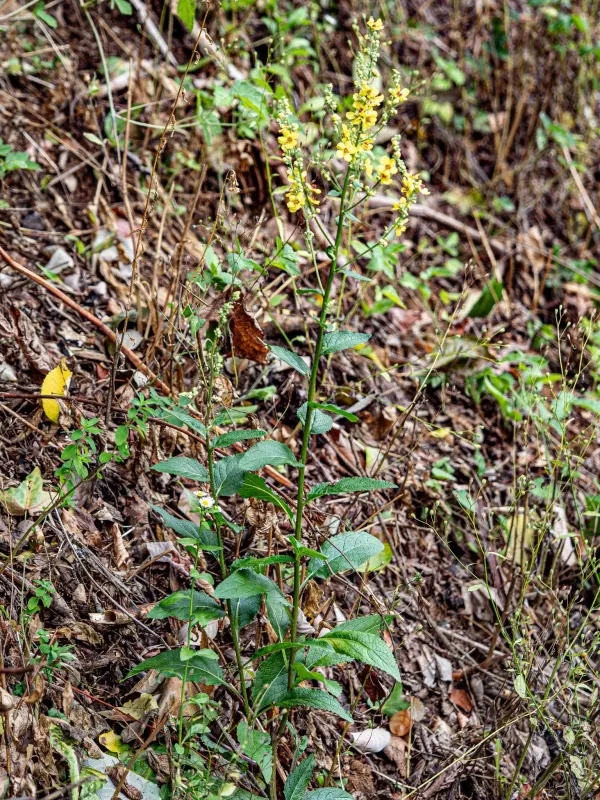
Description
Sowing dates
Sowing of Verbascum laxum is typically performed in early spring or late autumn when the soil temperature reaches at least 6–8 degrees Celsius. Due to the extremely small size of the seeds, they should not be buried deeply; instead, they are broadcast onto the surface of prepared, fine-tilled soil.
To ensure uniform distribution, seeds are often mixed with sand or wood ash before spreading. Planting rows should be spaced at least 40–50 centimeters apart to provide sufficient room for the plant to form its characteristic basal rosette of leaves during the first growing season.
Early sowing allows the plant to establish a robust root system before the onset of intense summer heat, which is vital for its long-term survival. Proper thinning is required if the seedlings emerge too densely, ensuring each plant has adequate space for vegetative development.
Seedlings typically emerge within 14 to 20 days, depending on soil moisture levels and ambient temperatures. Consistent light irrigation is essential during the early stages of growth to prevent the delicate surface layer of the soil from drying out and killing the young sprouts.
Using stratified seeds significantly improves germination rates and vigor. In professional cultivation, modern seeding equipment is calibrated specifically for tiny seeds to minimize waste and ensure an optimal plant density per hectare.
Growing requirements
Verbascum laxum is a biennial herbaceous plant belonging to the Scrophulariaceae family, known for its preference for open, sunny locations. It exhibits remarkable drought tolerance, thriving in environments where other crops might struggle due to limited water availability.
The plant performs best in light, well-drained soils that are rich in calcium and organic matter. It is highly sensitive to waterlogging; heavy clay soils that retain excess moisture can lead to root rot and other physiological disorders, making proper site selection essential.
It adapts well to temperate climates and can withstand significant seasonal temperature variations. An ideal pH level for the soil is neutral to slightly alkaline, which facilitates the optimal uptake of essential micronutrients required for healthy flowering.
During the flowering stage, plants benefit from protection against strong winds, which can cause tall stems to lodge or break. High light exposure is critical, as it directly influences the concentration of active medicinal compounds found in the flowers.
While the plant does not require intensive fertilization, supplemental potassium applied at the start of the second year can enhance flower size and quality. Regular weeding during the first season prevents resource competition and promotes better establishment.
Main diseases and pests
The primary pests affecting Verbascum laxum are larvae of various moth species (Noctuidae), which can rapidly defoliate the plants if left unchecked. Additionally, aphids often congregate on developing buds, causing distortion and potentially reducing the total yield of flower petals.
Powdery mildew is the most common fungal disease, especially in areas with poor air circulation or fluctuating humidity levels. Implementing proper spacing and selecting well-ventilated fields can significantly reduce the incidence of this disease.
Root rot remains a threat in poorly drained soils, necessitating careful water management and site selection. If plants appear stunted or yellowing, they should be inspected for signs of rot, and the drainage system of the field should be re-evaluated.
Insects like plant bugs may cause damage to the reproductive organs of the plant, impacting seed production and flower quality. Monitoring these populations during the budding phase is a standard practice for maintaining high-quality harvests.
Integrated Pest Management (IPM) strategies, focusing on biological controls, are highly recommended for this crop. Chemical interventions should be used only as a last resort and strictly within the regulatory guidelines for medicinal herbs.
Harvesting
Harvesting of Verbascum laxum takes place during the peak flowering phase, specifically when the majority of corollas have just opened. Only clean, fully expanded flowers (without the calyx) should be picked, as these contain the highest concentration of active therapeutic substances.
Daily manual collection is preferred, ideally in the morning after the dew has evaporated. Freshly harvested flowers are extremely delicate and prone to darkening; therefore, processing and drying must begin immediately to preserve their quality.
Drying is performed in shaded, well-ventilated environments or mechanical dryers set at temperatures not exceeding 50 degrees Celsius. Excessive heat or direct sunlight will cause the petals to lose their characteristic bright yellow color and potent aroma.
Once fully dried, the flowers should be carefully cleaned of any stem fragments or debris. The final product should be stored in airtight, moisture-proof containers in a cool, dark location to maintain its shelf life for up to two years.
The yield of dried product is typically 20–25% of the fresh flower weight. Efficiency in harvesting and speed in drying are the two most critical factors in determining the economic success and quality grade of the final medicinal harvest.