
Verbascum laciniatum
Verbascum laciniatum
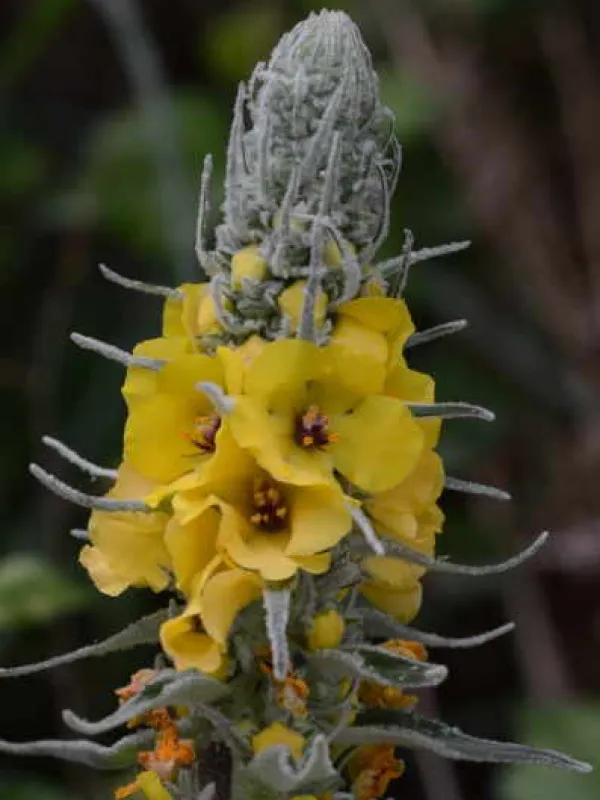
Description
Sowing dates
Sowing of Verbascum laciniatum is typically performed in early spring once soil temperatures reach a stable level, ensuring optimal germination conditions.
Fall sowing is also a viable option in many regions, allowing the seeds to undergo natural stratification, which often results in improved seedling vigor.
Seeds should be sown in rows with spacing of at least 50-60 centimeters to allow enough space for the basal rosette development of the mature plants.
Since the seeds are very small, they should be surface-sown or covered with a very light layer of soil, not exceeding 1 centimeter in depth.
When using nursery containers, maintain a consistent light level and moisture to ensure uniform emergence before transplanting into the field.
Growing requirements
Verbascum laciniatum belongs to the Scrophulariaceae family and thrives in well-lit, sunny environments with full exposure to direct sunlight throughout the day.
The ideal soil conditions include light, well-draining sandy or loamy soils with a neutral pH, preventing any form of waterlogging during the colder seasons.
This crop is highly drought-tolerant, utilizing a deep taproot system to access subsurface moisture during prolonged dry spells typical of its native range.
Maintenance of soil structure is essential, as the species prefers loose soil that facilitates root penetration and discourages early developmental rot.
While the plant is hardy, providing balanced fertilization helps support flower production without promoting excessive, weak vegetative growth.
Main diseases and pests
Fungal diseases, especially powdery mildew, represent the primary threat to health, particularly during seasons with high humidity and stagnant air.
Root rot caused by Phytophthora species can occur in poorly drained soils, requiring immediate mitigation measures such as improving field drainage.
Common pests include caterpillars and aphids, which may feed on the soft leaf tissues, potentially reducing both aesthetic value and overall plant vigor.
Integrated pest management, including regular field inspections and the use of targeted biological controls, is recommended for sustainable crop protection.
Sanitation practices, including the removal of dead foliage, help reduce the overwintering potential of various pathogens within the crop area.
Harvesting
Harvesting the flowering parts of Verbascum laciniatum is best done during dry, sunny mornings when the petals are fully open and active compounds are concentrated.
Only healthy, intact flowers should be harvested, as any damage can compromise the quality of the dried product during the processing phase.
Drying must occur in a shaded, well-ventilated area to protect the integrity of the chemical constituents and prevent discoloration or fermentation.
Once dried, the plant material should be stored in cool, dry conditions away from light to maintain shelf-life and efficacy for agricultural applications.
Strategic harvesting allows for continuous production throughout the season, provided the plant is managed under optimal agro-climatic conditions.