
Verbascum dumulosum
Verbascum dumulosum
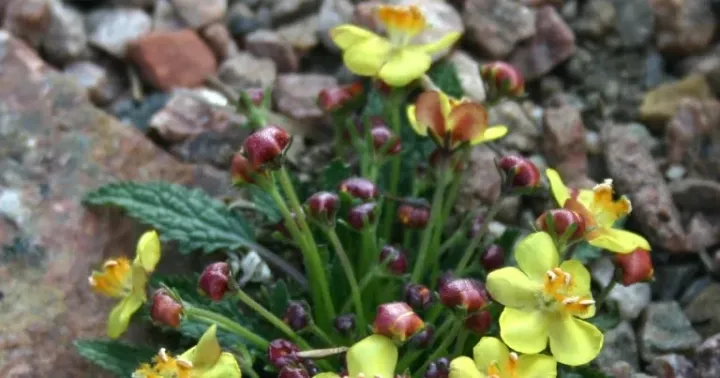
Description
Sowing dates
Sowing seeds of Verbascum dumulosum is typically conducted in late spring or early summer. For the best germination results, it is recommended to use stratified seeds, which significantly increases the emergence rate.
When propagating via seedlings, sow the seeds in containers with a lightweight substrate during April. Prick out the seedlings once they have formed two or three true leaves, ensuring minimal damage to the delicate root system.
Direct sowing into the soil is possible provided the earth is well-warmed and retains sufficient moisture. The seeds should be sown at a shallow depth, as they require light to trigger the germination process successfully.
The plant exhibits good germination vigor, though it requires protection from competing weeds during the early stages of its development. In the first year, it develops a compact rosette of basal leaves.
The optimal planting density is 30 by 40 centimeters, which allows each plant to develop fully and display its ornamental characteristics within various landscape designs.
Growing requirements
Verbascum dumulosum belongs to the Scrophulariaceae family and is a unique species adapted to challenging environmental conditions. Naturally, this plant is found primarily in rocky mountain regions, which defines its specific requirements.
The crop prefers well-drained, calcareous soils with low humus content. Stagnant moisture in the root zone is detrimental to this species; therefore, creating a drainage layer is essential on heavy clay soils.
The plant is highly photophilous and thrives best in open, sunny locations. In partial shade, the stems tend to become leggy, and the intensity of the flowering period is significantly reduced.
Verbascum dumulosum is characterized by its high drought tolerance and does not require regular watering once the plant is established. Over-watering is more likely to cause plant death than a temporary shortage of moisture.
Regarding climate, the plant shows relative resilience; however, in regions with harsh winters and minimal snow cover, light mulching around the root crown with dry peat or gravel is recommended.
Main diseases and pests
The main threats to Verbascum dumulosum include fungal infections that develop under conditions of high air and soil humidity. Among these, powdery mildew is the most common issue, affecting the foliage.
Root rot can be a consequence of improper agricultural practices and poor selection of planting sites. To prevent such diseases, it is necessary to maintain adequate spacing between plants to improve air circulation.
Regarding pests, caterpillars of certain moths and fritillary butterflies pose the greatest danger, as they can actively consume the leaves. In rare instances, aphids may colonize the plant.
Management strategies include the application of biological insecticides and broad-spectrum fungicides. It is crucial to perform treatments at the first signs of infestation to avoid the accumulation of pesticides in plant tissues.
Regular sanitation of the planting area, involving the removal of damaged or decaying parts, significantly reduces the risk of the emergence and spread of pathogens throughout the growing season.