
Valonia macrophysa
Valonia macrophysa
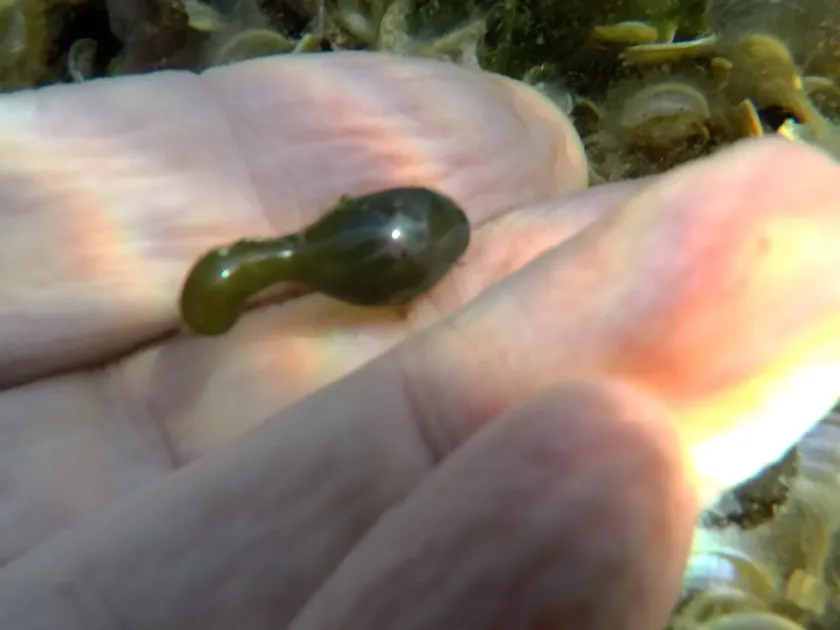
Description
Growing requirements
Valonia macrophysa is a species of marine green algae belonging to the family Valoniaceae. It is widely recognized in marine biology for being one of the largest unicellular organisms found in nature.
The organism is native to tropical and subtropical marine environments, commonly found in the Mediterranean Sea. It thrives in well-lit, shallow coastal areas where it attaches to hard rocky substrates.
Growing conditions require high water quality with stable salinity levels. As an autotroph, it relies heavily on photosynthetic processes, making light penetration a limiting factor for its distribution in deeper waters.
Botanically, it consists of a single large cell that can form clustered, bubble-like structures. These cells are multinucleate, which allows for efficient management of cellular activities across the significant volume of cytoplasm.
While not a traditional agricultural crop, Valonia macrophysa is frequently studied in biological laboratories. Its unique cellular structure makes it a model organism for experiments concerning membrane physiology and osmotic regulation.
Main diseases and pests
The primary threats to Valonia macrophysa populations include predation by herbivorous marine fauna, such as sea urchins and certain fish species that graze on marine algae as a primary food source.
Environmental degradation, particularly ocean pollution and excess nutrient loading from agricultural runoff, can lead to localized imbalances that threaten the health of these sensitive marine organisms.
Rising sea temperatures pose a risk to the stability of their metabolic processes. Shifts in climate can disrupt the optimal conditions required for the algae to maintain their cellular integrity.
Pathogenic challenges include bacterial infections that target the cell wall. Once the structural integrity of the giant cell is compromised, the organism cannot survive, leading to rapid lysis of the bubble.
Physical disturbances in the marine environment, such as intense wave action or dredging activities, can detach colonies from their substrate, preventing them from surviving in their preferred habitat.