
Woad
Isatis tinctoria L.
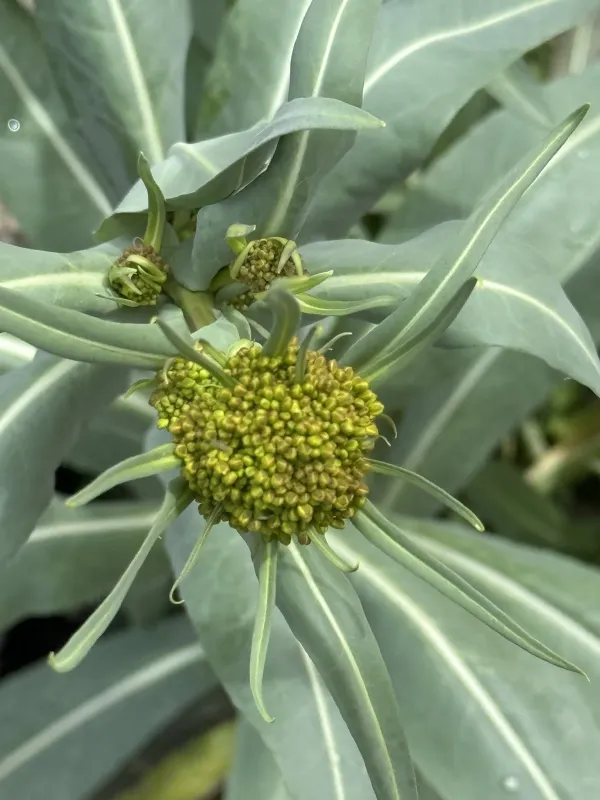
Description
Sowing dates
Woad (Isatis tinctoria) is a biennial plant belonging to the Brassicaceae family. It typically forms a rosette of leaves during its first year of growth and develops flowering stems in the second year.
Sowing is best performed in early spring once the soil reaches a temperature of at least 5–8 degrees Celsius. Alternatively, autumn sowing is possible in temperate regions to ensure early spring germination.
The seeding rate is generally 10–12 kg per hectare, depending on the drilling method. Seeds should be planted at a shallow depth of approximately 1.5–2 centimeters for optimal establishment.
Seedlings should be thinned out if the stand is too dense, maintaining a distance of 20–25 centimeters between individual plants to ensure proper leaf development.
Woad is recognized for its cold tolerance, which protects young plants from late spring frosts, allowing for stable and predictable growth in early development stages.
Growing requirements
Woad thrives in fertile, loamy, or chernozem soils with a neutral pH level. It does not tolerate waterlogging or acidic, boggy soils, which can lead to stunted growth and root rot.
As a light-loving plant, woad requires full sun exposure to maximize the synthesis of indigo dye precursors in its leaves. Shady locations significantly reduce the crop's industrial quality.
The plant possesses a deep taproot system, making it highly drought-resistant and suitable for cultivation in arid regions where irrigation may be limited.
Nitrogen fertilization during the initial vegetative stage promotes strong leaf growth, which is the primary raw material needed for indigo extraction.
Proper soil aeration is crucial for the healthy development of woad, and regular mechanical hoeing between rows can significantly improve crop performance.
Yield
The average yield of fresh green matter varies from 150 to 250 centners per hectare. Leaf collection is primarily conducted during the first year to obtain the highest pigment content.
The concentration of indigotin is highest before the plants start their reproductive phase, so timing the harvest is essential for commercial dye production.
Second-year plants are grown specifically for seed production, with typical yields ranging from 5 to 8 centners per hectare under favorable conditions.
Economic viability relies on the efficiency of the extraction process. Modern fermentation methods allow for higher pigment recovery compared to traditional techniques.
Mechanized harvesting tools have been adapted to ensure the swift collection of foliage, which is vital to preventing degradation of the delicate dye components after harvest.
Main diseases and pests
Woad is susceptible to diseases common to the Brassicaceae family, such as downy mildew, which can spread rapidly under humid conditions or in poorly ventilated fields.
Flea beetles are the most significant pest for woad, particularly during the seedling stage, when they can cause substantial damage to young leaves within a very short timeframe.
Cabbage aphids can also infest the plants, causing leaves to curl and significantly weakening the plant's physiological health during the peak of summer.
Implementing a strict crop rotation schedule—avoiding other cruciferous crops for at least 4 years—is the most effective cultural method to prevent pest and disease cycles.
When necessary, targeted insecticide applications are used, though preference is always given to integrated pest management (IPM) to maintain soil health and environmental standards.
Harvesting
Harvesting the leaves for dye production is carried out during the first year of growth, with two main cuts usually performed to maximize the annual biomass yield.
Immediate processing or drying of the harvested foliage is required, as the biochemical reactions leading to indigo formation begin shortly after the plant material is cut.
Seed collection in the second year occurs when the seed pods turn dark brown, requiring careful harvesting to prevent seed shattering in the field.
Post-harvest, seeds must be dried to 10–12% moisture to ensure high germination rates for future seasons and to prevent mold growth during storage.
The remaining plant debris after harvest can be incorporated back into the soil, providing a valuable source of organic matter and nutrients for the following crops.