
Hybrid highbush blueberry
Vaccinium corymbosum x Vaccinium angustifolium x Vaccinium virgatum
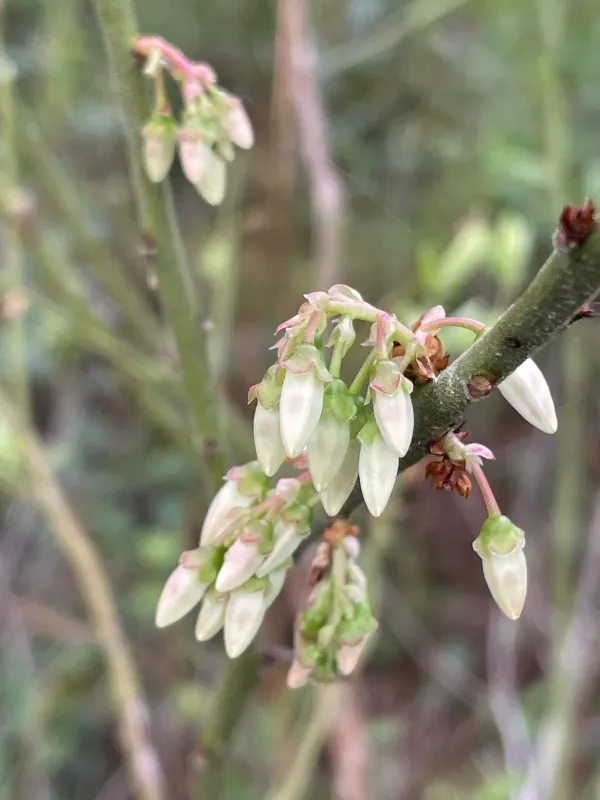
Description
Growing requirements
The hybrid highbush blueberry is a crossbreed of Vaccinium corymbosum, Vaccinium angustifolium, and Vaccinium virgatum. As a member of the Ericaceae family, it has been developed to thrive in diverse environments, offering enhanced vigor, cold hardiness, and superior berry quality.
The most critical requirement for this crop is acidic soil with a pH between 3.5 and 4.8. If the soil pH is not maintained within this specific range, the plants will suffer from iron chlorosis, resulting in yellowing foliage, stunted growth, and a significant reduction in overall yield.
These plants require full sun exposure to maximize fruit production and sweetness. Locations with partial shade are acceptable but will result in lower sugar content and potential leggy growth, which makes the bushes more susceptible to structural damage.
Water management is vital due to the shallow root system of the blueberry plant. Consistent moisture is required, especially during the fruit development stage, but the soil must have excellent drainage to prevent root suffocation, which often leads to lethal fungal issues.
Mulching is an essential practice in commercial blueberry production. An application of sawdust, pine bark, or needles helps maintain soil acidity, suppresses weeds, retains moisture, and protects shallow roots from extreme temperature fluctuations during the summer.
Yield
The economic value of hybrid blueberries lies in their excellent post-harvest shelf life and flavor profile. These varieties are highly sought after by retailers for their consistent size, firm texture, and vibrant appearance, making them ideal for both fresh markets and processing.
Yield capacity is largely determined by proper canopy management and plant age. Under intensive management with optimal fertilization and irrigation, a mature bush can produce an average of 5 to 9 kilograms of berries per season, depending on the specific hybrid genetics.
Pruning is the single most important maintenance task. Growers should focus on removing older wood (canes older than 5 years) to promote the growth of vigorous new shoots, which are significantly more productive in terms of fruit size and volume.
Cross-pollination is often recommended for maximizing yields. Although some hybrids are self-fertile, having multiple cultivars with overlapping bloom periods ensures a higher number of berries and better fruit uniformity across the entire plantation.
The longevity of a high-yielding plantation can span over 20 years if managed correctly. By ensuring optimal nutrition and managing the soil ecosystem, farmers can secure a long-term return on their initial investment in the site.
Main diseases and pests
Fungal diseases are the primary threats to the hybrid highbush blueberry. Phomopsis blight, which causes tip dieback and stem cankers, requires strict sanitation measures and, in some cases, targeted fungicide applications during the early spring.
Botrytis blight (gray mold) is a prevalent issue during harvest seasons characterized by high humidity or excessive rainfall. It rapidly destroys ripening fruit and can spread quickly through the plant clusters if not controlled.
Insect pests such as blueberry maggots and cranberry fruitworms can significantly impact crop marketability. Integrated Pest Management (IPM) strategies, including pheromone traps and biological controls, are essential for modern organic and conventional growers.
Root rot caused by Phytophthora species is a constant risk in poorly drained soils. Farmers must prioritize site selection and elevation to ensure that the water table does not reach the root zone during the peak growing season.
- Implement a strict sanitation routine to remove dead or diseased wood.
- Maintain proper plant spacing to improve airflow and reduce humidity around the leaves.
- Regularly monitor the foliage for early signs of spider mites or aphids.