
Urospermum picroides
Urospermum picroides
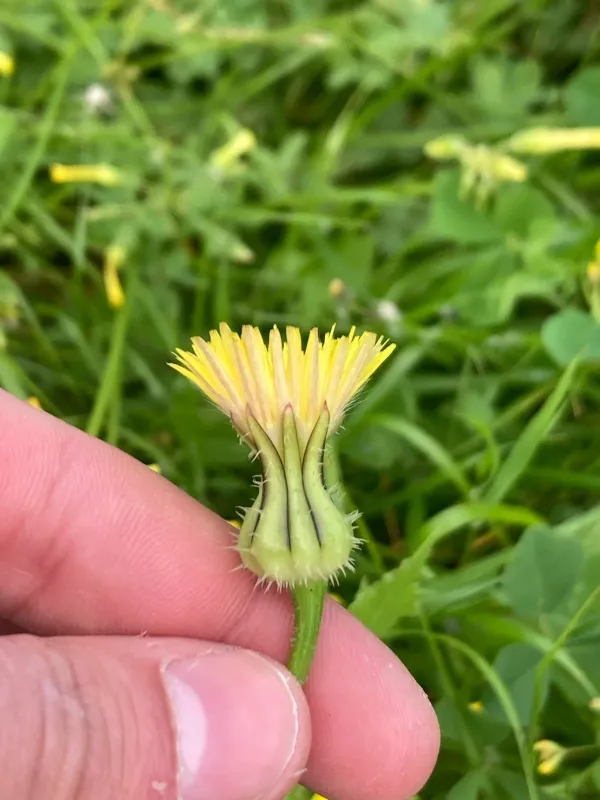
Description
Sowing dates
Urospermum picroides, belonging to the Asteraceae family, is an annual herb native to the Mediterranean region. It is increasingly recognized as a specialty leafy vegetable known for its unique flavor profile.
Sowing is typically performed in the spring when soil temperatures reach 10-12°C. The seeds are drilled into the soil with row spacing of 30-45 cm to allow the rosette leaves to expand fully without competition.
The optimal planting depth is 1-2 cm. Consistent moisture is essential during the germination phase to ensure a uniform stand, as the seeds are small and can be sensitive to soil surface crusting.
While direct seeding is the standard practice, the crop can also be started in trays for transplanting if early market production is required. However, direct sowing remains the most cost-effective method for commercial operations.
Maintaining proper plant spacing is crucial, as overcrowding encourages etiolation, where the plant redirects energy into vertical growth rather than developing the desired leafy rosette.
Growing requirements
This species thrives in full sun, which is necessary for the development of healthy, flavor-rich foliage. Shaded areas lead to weak, elongated growth and a reduction in the overall yield of edible greens.
Urospermum prefers light, well-drained soils, including sandy or loamy textures. It is tolerant of neutral to slightly alkaline pH levels but struggles significantly in waterlogged or heavy clay soils that restrict root aeration.
Although the plant exhibits natural drought tolerance due to its taproot system, supplemental irrigation is highly recommended to produce high-quality, tender leaves. Water stress often triggers premature bolting.
Fertilization should be balanced, as excessive nitrogen can lead to an undesirable accumulation of bitter compounds in the leaves. A focus on potassium and phosphorus is generally preferred for healthy growth.
The ideal temperature range for active vegetation is 18-25°C. The crop is quite hardy, but high heat consistently above 30°C will signal the plant to end its vegetative phase and initiate flower production.
Yield
Productivity is measured by the biomass of the leafy rosettes harvested before flowering. Under optimal management conditions, yields can reach 15-25 tonnes per hectare depending on site conditions.
The leaves are harvested for their nutty flavor and high nutritional content, serving as a valuable component in specialty salads and gourmet culinary applications. They offer a unique alternative to traditional greens.
Economic success is often achieved through direct supply to farm-to-table restaurants or high-end grocery retailers interested in diverse and nutrient-dense botanical offerings.
Thinning the stand early in the growth cycle ensures the development of larger, more succulent leaves, which command a higher price and provide a better consumer experience compared to smaller, thinner leaves.
With careful handling, multiple harvests can sometimes be taken from the same plant, provided the growing point is not damaged and environmental conditions remain favorable for leaf regeneration.
Main diseases and pests
Powdery mildew is the most common pathology, particularly in conditions with high humidity and poor air circulation. Effective management involves spatial density control and selecting sites with good air flow.
Aphids and various leaf-eating caterpillars can pose a threat to young crops. Routine monitoring of the undersides of leaves is essential to detect pest activity before it causes significant economic damage.
Root rot caused by fungal pathogens can occur if the soil drainage is inadequate. Avoiding waterlogged conditions and practicing strict crop rotation are the primary cultural controls available to farmers.
Slugs and snails can be highly destructive, especially during cool, damp spring weather. Integrated pest management strategies, including barriers or natural traps, are effective in protecting young seedlings.
To reduce disease pressure, it is advisable to avoid planting Urospermum in fields recently occupied by other Asteraceae crops, as this helps prevent the buildup of species-specific soil pathogens.
Harvesting
Harvesting should be conducted in the early morning to ensure the highest turgidity and quality of the leaves. This is vital for maintaining shelf life and visual appeal during transportation.
The rosettes should be cut at the base before the emergence of the central flower stalk. Once the plant begins to bolt, the leaves become significantly more bitter, losing their culinary value.
After cutting, the produce must be quickly cleaned, sorted, and cooled. Pre-cooling is a critical step in preserving the freshness and crisp texture of the greens before they reach the consumer.
For seed production, select the most vigorous plants and allow the flower heads to mature fully. Harvest the seeds before they release their pappus (fluff) to ensure a clean and efficient recovery.
Stored seeds should be kept in a cool, dry environment to maintain viability for the next season. Ensure the storage area is protected from pests and moisture to maximize long-term germination potential.