
Urelytrum agropyroides
Urelytrum agropyroides
Description
Growing requirements
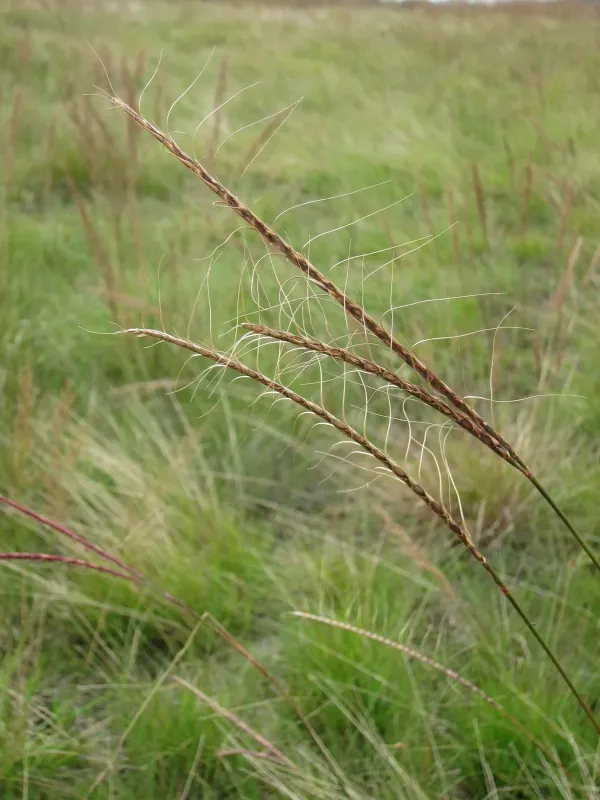
Urelytrum agropyroides is a perennial grass species belonging to the Poaceae family. Native primarily to the tropical regions of Africa, it is a significant component of local savanna vegetation and has been recognized for its potential utility in agricultural forage systems.
The plant thrives in well-drained soils and exhibits remarkable resilience to seasonal environmental stress. It is well-adapted to savanna conditions where moisture availability can fluctuate significantly throughout the year, making it a robust candidate for pastoral land management.
Climatic requirements are focused on warm temperatures and substantial sunlight exposure. As a tropical species, it does not tolerate cold climates and requires a stable, frost-free environment to maintain its growth cycles effectively.
Soil management for this species involves ensuring adequate aeration. While it can survive on relatively nutrient-poor soils, optimal biomass production is achieved through basic soil enrichment and proper land preparation prior to establishment.
The crop acts as an effective soil stabilizer due to its dense root architecture. This structural feature makes it not only a forage source but also an excellent tool for mitigating wind and water erosion in sensitive agricultural landscapes.
Yield
The primary economic use of Urelytrum agropyroides is within the livestock sector. It serves as a reliable forage source, providing necessary dietary fiber and nutrients for grazing animals in tropical farming systems.
Productivity is maximized under a rotational grazing management system. This approach prevents overgrazing and allows the grass sufficient time to recover, thereby increasing the longevity and sustained yield of the pasture.
For hay production, timing is critical. Harvesting should be performed during the vegetative stage to capture the highest nutritional value before the plant diverts energy toward reproductive phases and stem lignification.
The plant is valued for its persistence. In suitable conditions, it establishes a perennial cover that reduces the need for frequent reseeding, offering a cost-effective solution for farmers in arid or semi-arid regions.
Nutritional analysis indicates that the forage quality is highly correlated with the soil fertility and the frequency of rainfall, suggesting that integrated farm management significantly improves the overall livestock carrying capacity of fields planted with this species.