
Ungnadia speciosa
Ungnadia speciosa
Description
Growing requirements
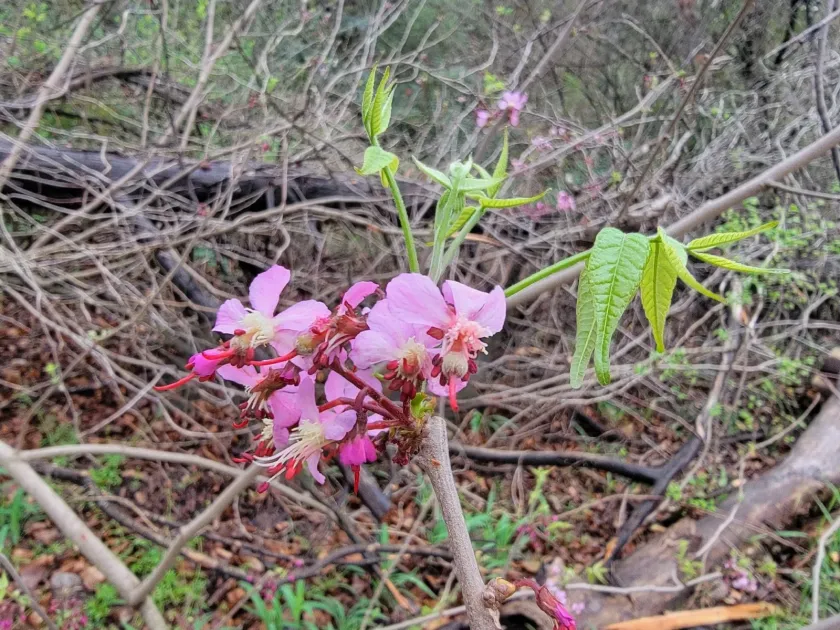
Ungnadia speciosa, commonly known as the Mexican buckeye, is a deciduous shrub or small tree belonging to the Sapindaceae family. It is prized for its attractive pink, fragrant flowers that appear in early spring.
The plant is native to the woodlands and rocky slopes of Texas, New Mexico, and Mexico. It is highly adapted to limestone-based soils and environments that receive limited rainfall throughout the year.
Cultivation requires a site with full sun to partial shade for optimal blooming. Its physiological makeup allows it to thrive in nutrient-poor, rocky substrates where other crops might struggle to establish roots.
Watering requirements are minimal once the plant is established. It is an excellent choice for xeriscaping or water-wise garden projects due to its profound drought tolerance and heat resistance.
Besides its ornamental value, the species is recognized for its nectar production. Beekeepers value the plant as it provides an essential early season resource for honeybees in its native range.
Main diseases and pests
This species is remarkably resistant to typical agricultural pests, largely due to the presence of secondary metabolites in its tissues. However, improper drainage is the leading cause of plant mortality.
Fungal pathogens may occur if the plant is forced to grow in heavy, waterlogged clay soils. Ensuring proper soil aeration is the primary defense strategy against crown and root rot diseases.
Occasional infestations of sucking insects, such as aphids, can occur in exceptionally dry conditions. These can usually be managed with gentle horticultural soaps without harming the beneficial bee population.
The seeds of Ungnadia speciosa contain toxins, making them inedible for humans and livestock. This chemical defense also serves to discourage some herbivorous pests from browsing the foliage.
To maintain long-term vigor, growers should prune deadwood annually. Removing crossing branches improves sunlight penetration to the center of the canopy, reducing the likelihood of fungal colonization.