
California bay
Umbellularia californica
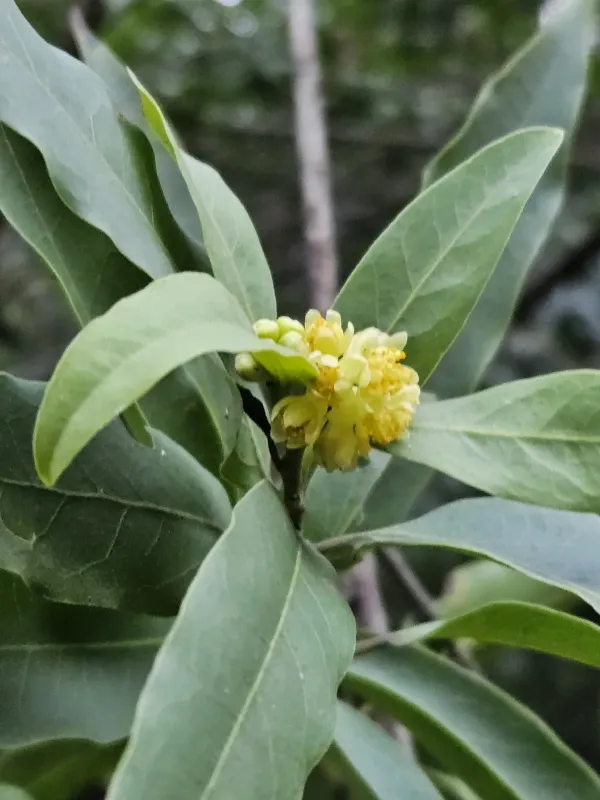
Description
Growing requirements
California bay (Umbellularia californica) is a unique evergreen tree belonging to the Laurel family (Lauraceae). It is a native species originating from the western coast of North America, particularly abundant in the diverse landscapes of California and Oregon.
The species thrives in environments characterized by Mediterranean climates, featuring mild, moist winters and warm, dry summers. It is best adapted to regions that provide moderate light conditions and protection from extreme temperature fluctuations.
Soil requirements for optimal growth include well-draining, fertile loams with a neutral to slightly acidic pH level. The plant is particularly sensitive to waterlogging, necessitating careful site selection to ensure proper drainage for the extensive root system.
From a botanical standpoint, the tree features leathery, aromatic leaves that are rich in essential oils, most notably umbellulone. Its reproductive phase involves the development of small, yellowish-green flowers, followed by the formation of drupe-like fruits that mature into a dark purple color.
Commercial utilization of California bay is multifaceted, ranging from the extraction of its potent essential oil for pharmaceutical and perfumery use to its role as a culinary herb, which is highly prized for its spicy, pungent flavor profile.
Main diseases and pests
The most significant threat to the health of this species is Phytophthora ramorum, a pathogen responsible for Sudden Oak Death. This oomycete affects both the leaves and stems of the California bay, potentially serving as a carrier for the disease in forest ecosystems.
Insect pests, including various species of scale insects and mealybugs, frequently infest the foliage and bark. These pests suck nutrients from the tree, leading to decreased vigor, leaf yellowing, and potential susceptibility to secondary infections.
Fungal leaf spot diseases are common in areas with high humidity or poor air circulation. Implementing rigorous pruning practices is essential to increase sunlight penetration and airflow within the canopy, reducing the moisture levels that promote fungal spore germination.
Monitoring for signs of infestation or infection requires periodic inspections of both the upper and lower leaf surfaces. Early detection is crucial to mitigate damage and avoid the need for broad-spectrum chemical interventions that could compromise product safety.
Integrated pest management protocols, including the encouragement of natural predators and the application of horticultural oils, are recommended to maintain plant health while ensuring the purity of the harvested leaves and essential oils.