
Dutch elm
Ulmus x hollandica Mill.
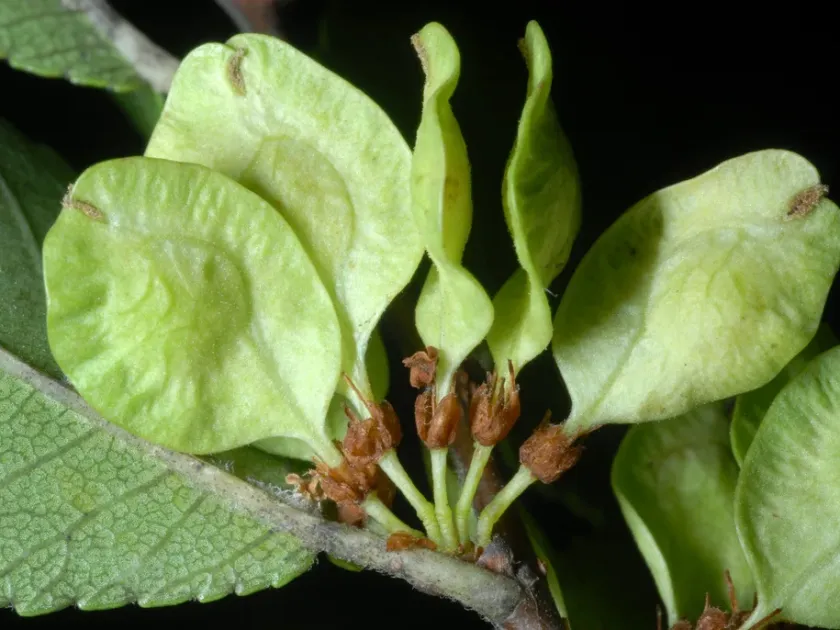
Description
Growing requirements
Dutch elm (Ulmus x hollandica Mill.) is a hybrid tree belonging to the family Ulmaceae. This large deciduous tree is highly valued for its rapid growth rate, broad canopy, and excellent shade-providing characteristics.
The tree thrives in deep, fertile, and well-drained soils. It is remarkably resilient to urban stress, showing a high tolerance for air pollution and soil compaction, which makes it a staple species in public parks and streetscapes.
Regarding climatic requirements, the Dutch elm prefers sunny locations but can adapt to partial shade. It is frost-hardy, although young specimens benefit from mulching the root zone during the first few winters to ensure successful establishment.
Agricultural management involves regular watering during dry spells, especially for young saplings. Annual feeding with balanced fertilizers in early spring promotes lush foliage development and maintains the tree's vigorous growth habit.
The tree is primarily used for ornamental purposes in urban planning, serving as a windbreak or a prominent specimen in large landscapes. Its ability to sequester carbon and filter urban pollutants contributes significantly to local ecological health.
Main diseases and pests
The most critical threat to the Dutch elm is Dutch Elm Disease (DED), caused by the fungus Ophiostoma novo-ulmi. The fungus clogs the tree's xylem, preventing water transport and eventually leading to crown dieback and tree death.
Beetles from the Scolytus genus act as the primary vectors, transporting fungal spores between trees. Preventive measures include prompt removal of dead or stressed wood where these beetles prefer to breed, thereby reducing the localized beetle population.
Various defoliating insects, such as the elm leaf beetle, can also cause significant aesthetic damage. Integrated pest management strategies, including the use of systemic insecticides or biological controls, are recommended for maintaining tree health.
Proper horticultural care is the first line of defense. By ensuring the tree is not subjected to drought stress or root damage, its natural defense mechanisms are better equipped to withstand environmental pressures and secondary infections.
Early diagnosis is vital for management; if a tree shows signs of wilting in the upper branches during summer, professional assessment is necessary. In many cases, infected branches must be pruned immediately to stop the spread of the pathogen.