
Chinese elm
Ulmus parvifolia Jacq. x Ulmus rubra Muhl.
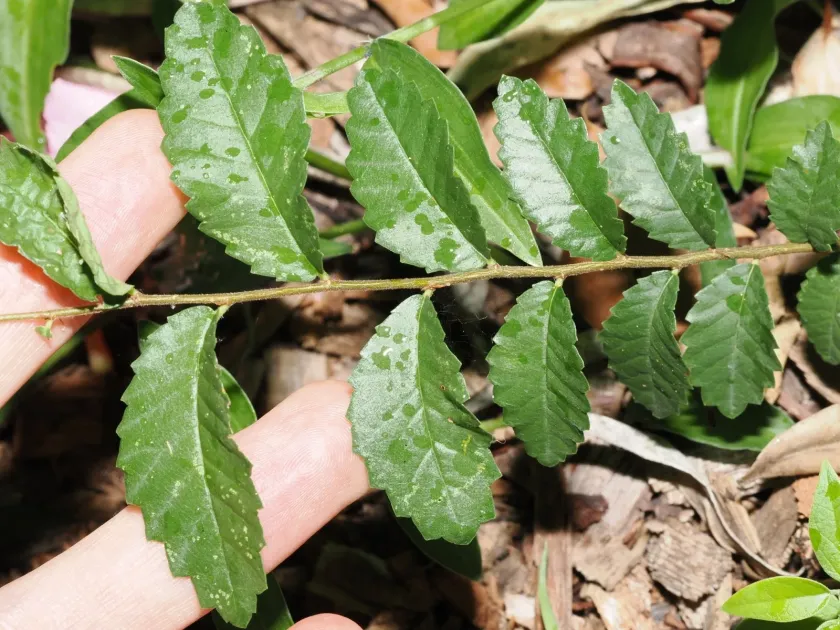
Description
Growing requirements
The Chinese elm (Ulmus parvifolia) belongs to the Ulmaceae family. It is a highly valued species for its adaptability and aesthetic appeal, native to Eastern Asia.
This tree thrives in a wide range of soil types, including those that are compacted or alkaline, making it a versatile choice for urban planting environments.
The species requires full sun to partial shade for optimal growth, although it is known for its remarkable ability to withstand varied environmental stress factors.
Water requirements for mature trees are moderate, as the deep root system allows it to endure dry spells effectively once the tree is established in the soil.
It is often used in industrial forestry and roadside planting due to its tolerance to air pollution and salt spray, common in modern urbanized regions.
Main diseases and pests
The most significant threat to the Chinese elm is the Dutch elm disease, caused by fungi spread by bark beetles, although this species shows higher resistance than other elms.
Pests such as elm leaf beetles and scale insects can cause localized damage, particularly during periods of environmental stress that weaken the tree's defenses.
Proper sanitation, including the prompt removal of dead wood and monitoring for signs of infestation, is crucial for maintaining a healthy stand.
Fungal issues like powdery mildew may occur in poorly ventilated, humid areas, requiring effective fungicide management and canopy thinning.
Integrated pest management strategies are recommended to reduce reliance on chemical controls and promote long-term tree vitality and resilience.