
Hoary elm
Ulmus minor Mill. subsp. canescens (Melville) Browicz & Ziel.
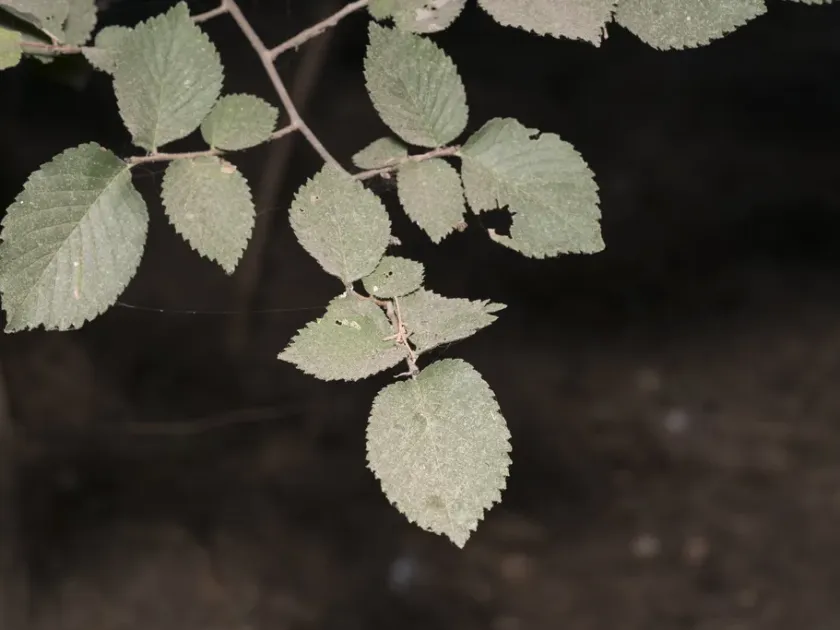
Description
Growing requirements
The Hoary elm (Ulmus minor subsp. canescens) is a member of the Ulmaceae family. It is a distinctive subspecies native to the Mediterranean basin and parts of Western Asia, valued for its adaptability in various woodland and agroforestry projects.
This species thrives in well-drained, fertile soils but exhibits notable tolerance to calcareous and slightly saline conditions. Its ability to colonize diverse landscapes makes it a preferred choice for environmental restoration efforts.
Climate requirements involve moderate temperatures and sufficient sunlight exposure. While considered drought-tolerant, young specimens require irrigation support to establish their root systems during the initial growing seasons in arid environments.
Agricultural management includes proper site preparation and periodic pruning to maintain structural integrity. This tree is often deployed in shelterbelts, where it serves as a robust barrier against wind erosion.
Beyond its utility in soil stabilization, the timber of the Hoary elm is highly appreciated for its density and durability, making it a reliable resource in traditional woodworking and construction.
Main diseases and pests
Dutch Elm Disease (DED), caused by Ophiostoma fungi, remains the most significant threat to the Hoary elm. Management strategies must prioritize early detection of symptoms such as leaf yellowing and branch dieback.
Various insect pests, specifically elm leaf beetles, can pose a risk by causing extensive defoliation. Integrated pest management (IPM) practices are essential to mitigate the impact of these insects without damaging the local ecosystem.
Sanitation practices, including the prompt removal and destruction of infected wood, are critical in controlling the spread of vascular pathogens. Prevention is far more effective than treatment for elm species.
Applying balanced fertilizers and maintaining adequate soil moisture can improve the tree's natural resilience. Stressed trees are significantly more susceptible to both pathogenic fungi and wood-boring insects.
Ongoing research focuses on selecting clones that exhibit high resistance to DED, ensuring that the Hoary elm continues to be a viable component of agricultural landscapes and natural forests.