
Moraea miniata
Moraea miniata Andrews
Description
Growing requirements
Moraea miniata is a perennial cormous plant belonging to the Iridaceae family. Originally native to South Africa, it is widely recognized for its delicate, vibrant flowers that add significant ornamental value to arid and semi-arid landscape designs.
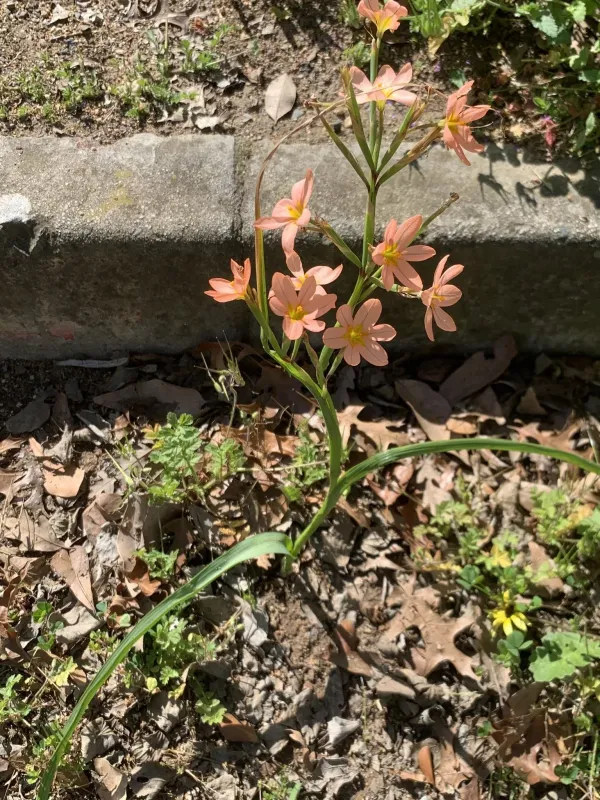
Botanically, the species is distinguished by its grass-like foliage and small, distinctive red-orange flowers. It grows from a corm, which serves as a storage organ, allowing the plant to survive harsh drought conditions typical of its native habitat.
Regarding climatic requirements, the plant thrives in environments that mimic the Mediterranean climate, characterized by warm, dry summers and mild, wet winters. Exposure to full sun is essential for optimal growth and to ensure the intensity of the bloom.
The soil structure must be exceptionally well-draining. Sandy or gravelly soil compositions are preferred, as they prevent water stagnation around the corm. Maintaining a neutral to slightly acidic pH level is ideal for nutrient uptake and overall plant vigor.
Agronomic management focuses on the seasonal rhythm of the plant. During the active growing phase, moderate moisture is required, but once the foliage turns yellow, water should be strictly withheld to induce a period of dormancy, which is vital for the next flowering cycle.
Main diseases and pests
The most common threat to Moraea miniata is root and corm rot caused by pathogenic fungi such as Fusarium. This usually occurs due to poor soil drainage or excessive irrigation during the dormant phase of the plant's life cycle.
Insect pests, including aphids and thrips, can cause significant damage to the floral spikes and developing leaves. These pests are often vectors for viral diseases, which can weaken the plant's vitality and lead to poor flower production.
Bulb mites can also infest the corms, especially in stored materials or poorly ventilated soils. These pests cause slow growth and stunted development, often leaving the plant highly susceptible to secondary bacterial infections.
Foliar leaf spots, caused by various fungal pathogens, may appear during periods of high humidity. While usually not fatal, these spots reduce the aesthetic quality of the foliage and can lead to early senescence of the leaves.
Integrated Pest Management (IPM) practices, such as the use of disease-free planting stock and proper spacing to ensure air circulation, are the most effective strategies for maintaining the health of Moraea miniata populations.