
Tulista marginata
Tulista marginata
Description
Growing requirements
Tulista marginata is a perennial succulent species belonging to the Asphodelaceae family. Native to the arid regions of the Cape Province in South Africa, this plant has evolved to survive in nutrient-poor, rocky substrates where moisture is scarce and sunlight is intense for most of the day.
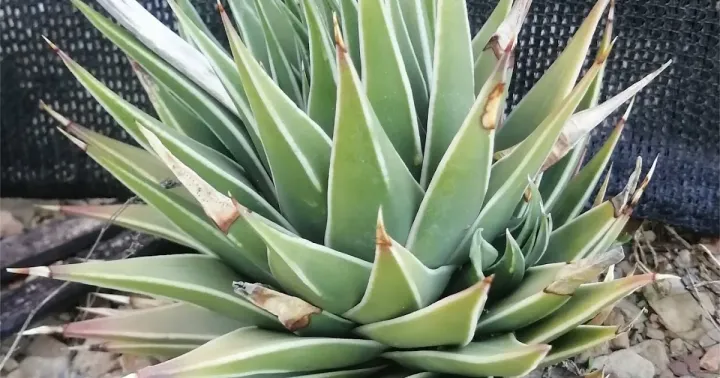
Botanically, the plant is characterized by rigid, upright leaves arranged in a tight, geometric rosette. The defining feature of this species is the distinct, often pearly-white, rough margin along the edges of the leaves, which gives the plant its name and aesthetic appeal to collectors and botanists alike.
To cultivate this species effectively, one must replicate its natural habitat by using a highly porous, gritty potting mix that ensures rapid drainage. The use of organic soil should be minimal, as the root system is highly susceptible to suffocation and rot if the medium remains saturated for extended periods.
Lighting requirements are specific: while it appreciates bright light to maintain its compact shape, it should be protected from intense afternoon sun, which can scorch the leaf tissues. A spot with morning light or dappled sun is ideal for promoting healthy growth and maintaining the plant's characteristic coloration.
The watering schedule must follow a strict dry-down cycle, where the substrate is allowed to dry out completely between waterings. During the winter, watering should be reduced significantly, as the plant enters a metabolic rest phase where excessive moisture can prove fatal to its health and vigor.
Main diseases and pests
The primary threats to Tulista marginata are related to improper horticultural practices, specifically overwatering and inadequate ventilation. Root rot is the most common pathology, caused by the proliferation of fungi like Pythium and Phytophthora, which thrive in soggy conditions.
Insect pests, such as mealybugs, are frequent visitors that reside deep within the leaf axils, making them difficult to detect. Furthermore, spider mites can become an issue if the ambient humidity is too low for an extended duration, requiring careful monitoring and swift application of appropriate control measures.