
Agave tuberosa
Agave tuberosa (L.) Thiede & Eggli
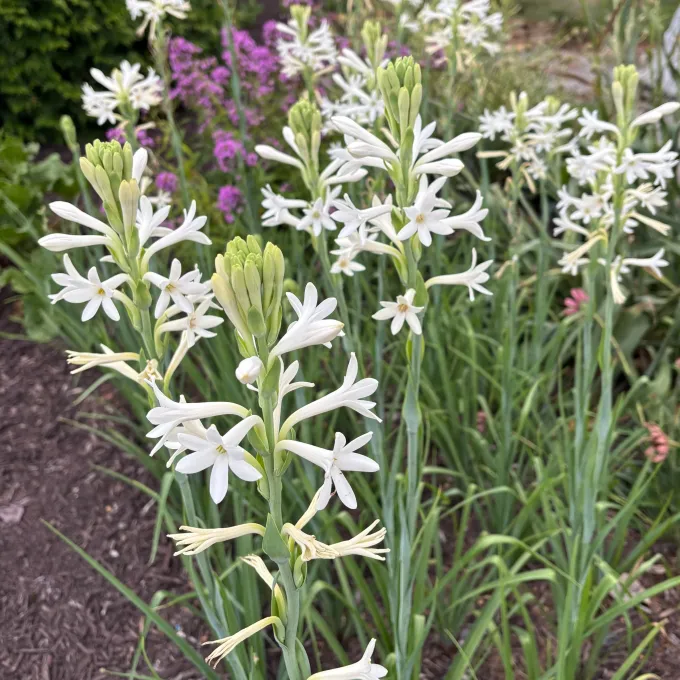
Description
Growing requirements
Agave tuberosa, belonging to the Asparagaceae family, is a distinct succulent species known for its dense rosette structure and succulent, fibrous leaves.
Native to arid landscapes in the Americas, this species has evolved to thrive in environments with erratic rainfall and nutrient-poor, rocky substrates.
To cultivate this crop effectively, agriculturalists must provide full sun exposure. Inadequate light conditions can significantly hinder the growth cycle and development of the leaf fibers.
The plant requires well-draining soil to prevent root rot, which is the most critical factor in managing this species. Sandy or gritty soil textures are highly recommended for successful cultivation.
Agave tuberosa is primarily cultivated for its fibrous content, which has various traditional and industrial applications. It is increasingly viewed as a sustainable choice for arid-land farming due to its low water requirements.
Main diseases and pests
The primary threats to Agave tuberosa in a production setting include fungal root rots, typically triggered by improper irrigation management or poor soil drainage.
Pests such as mealybugs and armored scales are common problems; they often cluster at the base of the leaves, causing damage to the plant tissue and stunting growth.
Weevils can also pose a severe threat, as their larvae bore into the core of the plant, potentially causing irreversible damage to the central growth point.
Implementing a preventive integrated pest management strategy is essential to avoid large-scale infestations that could compromise the harvest yield.
Maintaining proper spacing between plants is highly recommended to encourage better airflow, thereby reducing the risk of fungal proliferation in dense plantings.