
Dense wheat
Triticum aestivum x T. turgidum L.
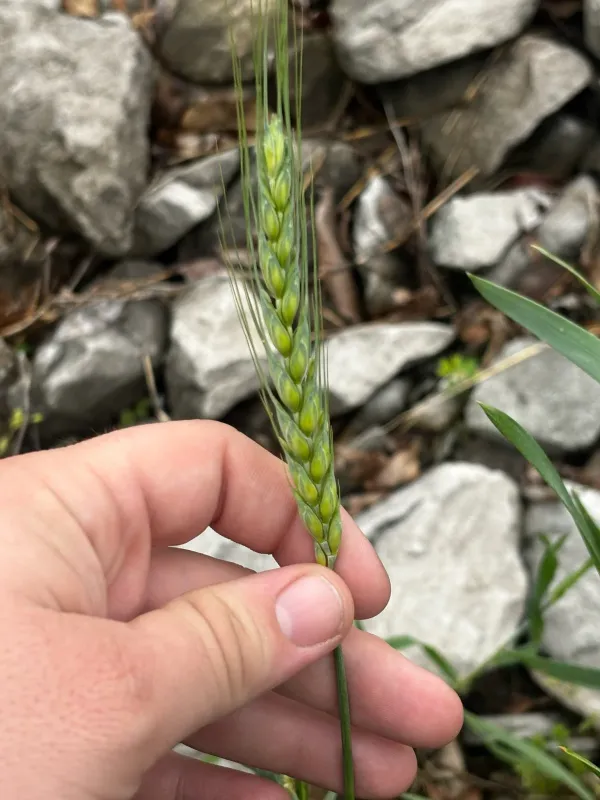
Description
Sowing dates
The sowing period for dense wheat depends on the specific variety and regional climatic conditions. Typically, it is sown when soil temperatures are stable, ensuring optimal conditions for seed germination and early development.
Planting depth usually ranges from 4 to 6 centimeters, depending on soil type and moisture level. Proper depth is crucial to establishing a strong root system early in the plant's life cycle.
Seed density must be carefully calculated based on germination rates and soil fertility. Proper spacing prevents competition between plants and ensures uniform development of the entire field.
Field preparation is a fundamental step, involving plowing and harrowing to create an ideal seedbed. This ensures maximum contact between the seeds and the soil for efficient water absorption.
Crop rotation is essential for maintaining soil health and preventing the buildup of pathogens. Planting wheat after legumes or other beneficial predecessors significantly improves yield potential.
Growing requirements
Dense wheat thrives in fertile, well-drained soils with good organic matter content. It prefers soils with a neutral pH, which facilitates the optimal uptake of essential nutrients.
Water requirements are highest during the stem elongation and heading phases. Consistent moisture during these stages is vital for the development of the wheat ear and filling of the grain.
The crop is adaptable to a wide range of temperate climates. While it prefers moderate temperatures, modern hybrids show increased resilience to weather fluctuations and heat stress.
Mineral nutrition, particularly nitrogen, phosphorus, and potassium, must be applied according to soil analysis. Proper timing of fertilization maximizes the plant's growth potential.
Sufficient sunlight is critical for photosynthesis, which powers the plant's development. Proper field density ensures all plants receive adequate light throughout the growing season.
Yield
The yield potential of dense wheat is one of its primary advantages, as it produces a high number of grains per ear. Under intensive management, this crop can achieve impressive results.
The weight of a thousand grains is a key quality metric that indicates how well the plant was nourished. Healthy wheat plants consistently produce heavy, well-filled grains.
Weed management is a critical factor in protecting yield. Competitive weed growth can drastically reduce both the quantity and quality of the final harvest if not controlled early.
Modern agronomic practices, including precise fertilization and pest management, help reach the theoretical yield limits of the variety. This makes dense wheat a profitable choice for commercial farms.
Yield stability across various seasons is a hallmark of this crop, providing farmers with reliable returns. This reliability is highly valued in regions with unpredictable weather patterns.
Main diseases and pests
Common diseases affecting this crop include rust, powdery mildew, and septoria. Monitoring fields for signs of these diseases is necessary to prevent significant yield losses.
Pests such as wheat aphids and cereal leaf beetles can cause damage if left unchecked. Integrated pest management strategies, including scouting and timely insecticide application, are required.
Seed treatment before sowing is the first line of defense against soil-borne pathogens. This ensures that the crop gets off to a healthy start and remains protected in its most vulnerable stage.
Fungicides should be applied during high-risk periods for fungal outbreaks. Careful selection of products ensures effective disease control while maintaining the safety of the harvested grain.
- Systematic field monitoring for pests.
- Application of protective fungicides.
- Use of certified, treated seeds.
Harvesting
Harvesting is performed during the stage of full maturity, when grain moisture reaches an optimal 14–15%. Harvesting at the right time ensures the highest quality of the harvested grain.
Advanced combine harvesters are used to minimize losses during the collection process. Adjustments to the threshing mechanism are necessary to accommodate the specific structure of the dense wheat ear.
Post-harvest treatment includes drying and cleaning the grain to remove impurities. This step is vital to prevent mold growth and maintain grain quality during long-term storage.
Storage facilities must be dry, cool, and free from pests to ensure the longevity of the harvest. Proper warehouse management preserves the market value of the crop.
Effective logistics from field to processor minimizes post-harvest losses. Quick handling and processing are key to maintaining the high standards expected of this wheat variety.