
Spelt
Triticum aestivum L. subsp. spelta (L.) Thell. x T. turgidum L. subsp. dicoccon (Schrank) Thell.
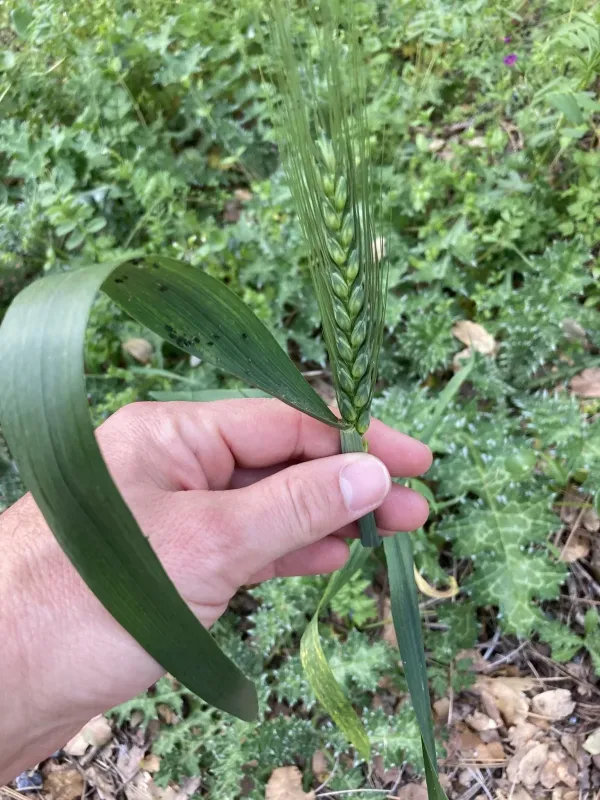
Description
Sowing dates
Spelt is a group of wheat species (genus Triticum) belonging to the Poaceae family. In modern agronomy, the term often refers to hybrids of Triticum aestivum and Triticum turgidum that exhibit high viability and resilience.
The sowing season for spelt is primarily in the early spring, as soon as the soil reaches physical maturity and warms up to 4–6 degrees Celsius. Early sowing maximizes the use of stored winter moisture, which is crucial for establishing a robust root system.
In regions with mild winters, winter-sown spelt is common, typically planted 40–50 days before the onset of persistent frosts. This ensures proper hardening and better tillering before the plants enter winter dormancy.
The seeding rate depends on regional conditions but averages 4–5 million viable seeds per hectare. Planting depth varies from 3 to 5 centimeters, depending on soil type and moisture levels at the time of sowing.
Choosing the right planting date allows the crop to complete its tillering phase before the onset of dry periods, which significantly reduces the risk of crop stress and improves overall grain quality.
Growing requirements
Spelt is characterized by high ecological plasticity and low maintenance requirements, which distinguishes it from modern intensive soft wheat varieties.
The crop grows successfully in various soil types, including loams and chernozems, but prefers neutral or slightly acidic soils with good aeration and drainage.
The plant exhibits increased winter hardiness and drought tolerance, allowing it to be cultivated in risky farming zones where other cereals often produce unstable results.
Spelt requires moderate rainfall for optimal growth, especially during the stem elongation and heading stages, when water consumption reaches its peak.
It is not demanding regarding intensive mineral fertilization; conversely, excess nitrogen can cause lodging, so the focus remains on balanced nutrition and proper crop rotation.
Yield
The yield of spelt is traditionally lower than that of modern bread wheat varieties, averaging 25–40 quintals per hectare, depending on agricultural management and weather conditions.
Lower productivity is often offset by high market prices for the grain, as well as minimal costs associated with pesticides and specialized chemical treatments throughout the season.
Biologically, spelt is a hulled crop; the grain remains covered by tight glumes, which provide protection from environmental factors but necessitate an additional de-hulling stage after harvest.
Yield indicators improve significantly when sound crop rotation is practiced, with legumes, potatoes, or annual grasses serving as the best preceding crops.
A genetic characteristic of the plant is its longer growing season, which should be taken into account when scheduling harvests and drying the commercial grain for long-term storage.
Main diseases and pests
Spelt possesses significant natural resistance to many diseases common to modern wheat, largely due to the protective hull (glumes) surrounding the ear.
Key diseases affecting the crop include root rot, rust, and powdery mildew, which may develop under high humidity levels or if agricultural best practices are ignored.
Pests such as the wheat ground beetle, cereal aphids, and sunn pest cause less damage to spelt than to intensive wheat varieties, though monitoring during flowering and grain filling remains essential.
Disease prevention strategies are based on using clean seed material, applying seed treatments before sowing, and maintaining proper spatial isolation from infection hotspots.
The use of biological plant protection products is the preferred method for managing pests and diseases, as spelt is frequently grown in ecological and organic farming systems.
Harvesting
Spelt harvesting takes place during the full maturity phase when grain moisture content drops to 14–16 percent, preventing the development of fungal infections in storage.
It is crucial to avoid leaving the crop in the field for too long after maturity, as this can lead to grain shattering and reduced quality due to atmospheric precipitation.
Standard combine harvesters are used for collection, though precise adjustment of the threshing mechanism is required to prevent damage to the grain hulls.
Since spelt is harvested with its hulls intact, a post-harvest de-hulling process using specialized machinery is necessary to prepare the grain for human consumption.
Efficient logistics and timely drying processes ensure the preservation of the unique nutritional properties, including the high protein and mineral content for which this ancient grain is celebrated.