
Triraphis pumilio
Triraphis pumilio
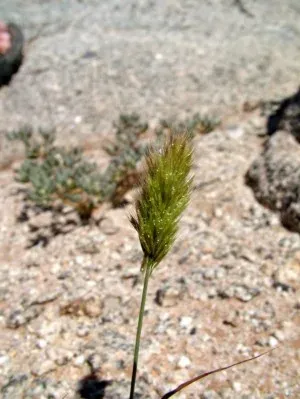
Description
Growing requirements
Triraphis pumilio is a remarkable grass species belonging to the family Poaceae. It is indigenous to the arid regions of southwestern Africa, where it has adapted to survive in harsh desert environments.
Botanically, the plant features a dense, clump-forming habit with narrow leaves designed to minimize water loss through transpiration. Its physiological mechanisms allow it to remain dormant during prolonged dry seasons.
Regarding soil requirements, the species thrives in sandy, well-drained soils. It does not demand high nutrient levels, making it highly effective in colonizing nutrient-poor desert soils.
Climatic requirements are focused on high thermal tolerance and the ability to utilize intermittent, sparse rainfall. The plant acts as a pioneer species in sandy landscapes.
In terms of agricultural significance, the species serves primarily as a stabilizer for loose desert soils, playing a vital role in preventing severe wind erosion in arid ecosystems.
Main diseases and pests
Natural pests for this species are minimal, primarily consisting of migratory desert locusts that may graze on the green biomass during rare boom years.
Due to the hyper-arid climate, the presence of traditional plant diseases such as rusts or mildews is virtually non-existent, as high solar radiation acts as a natural disinfectant.
The main threat to the sustainability of this grass is excessive land use by livestock, which can lead to the destruction of the fragile soil crust and the grass root systems.
Soil compaction caused by heavy equipment or herds can inhibit the recovery of the plants, as the roots require highly aerated substrates to penetrate effectively.
Current research suggests that protecting the existing plant cover is more effective than implementing traditional pest management strategies for this specific species.