
Tripsacum dactyloides x Zea diploperennis hybrid
Tripsacum dactyloides x Zea diploperennis
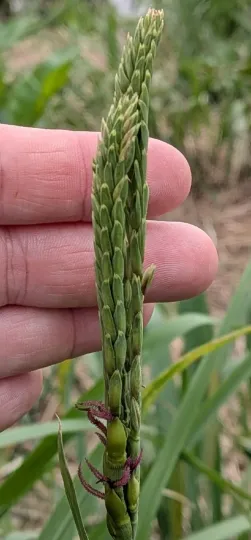
Description
Growing requirements
The hybrid between Tripsacum dactyloides and Zea diploperennis is a specialized intergeneric cross belonging to the Poaceae family. This hybrid is primarily studied for its potential to introduce perennial growth habits and stress resistance traits into domesticated maize germplasm.
Botanically, the hybrid exhibits a robust stature with a fibrous root system combined with rhizomatous characteristics inherited from the Tripsacum parent. The plant structures reflect a blend of the wild corn's architecture and the hardy perennial nature of eastern gamagrass.
Climatic requirements are centered on long, warm growing seasons with high solar radiation levels. The hybrid performs optimally in tropical or subtropical environments where frost-free periods are long enough to support multiple cycles of vegetative growth.
Soil quality must be high, with a preference for deep, well-drained loams. While the hybrid displays some tolerance to varying soil moisture levels, optimal growth occurs in soils with balanced fertility and a consistent supply of nitrogen and phosphorus.
The primary agricultural application remains plant breeding, specifically focusing on the introgression of perenniality. Breeders utilize this hybrid to create sustainable cropping systems that do not require annual tilling, thereby preserving soil structure and moisture.
Main diseases and pests
Common agricultural pests affecting the Zea lineage, such as the European corn borer, pose a threat to the vegetative biomass of the hybrid. Monitoring of larvae infestation is essential to prevent significant damage to the developing stalks.
Fungal diseases like leaf rusts (Puccinia spp.) represent a major threat, especially under high humidity and temperature regimes. These pathogens can rapidly spread across the leaf surface, reducing the plant's overall energy efficiency.
Soil-borne pathogens leading to root rot are problematic in poorly drained agricultural plots. Proactive soil management, including the maintenance of adequate aeration, is critical for preventing rot-induced plant loss.
Viral pathogens transmitted by insect vectors can affect the genetic integrity and health of the hybrid population. Strict quarantine and vector control measures are standard protocols when managing experimental plots of this rare intergeneric cross.
Competition from aggressive weed species is significant during the early establishment phase. While the hybrid is robust once mature, timely mechanical weeding is required during the first weeks of growth to ensure successful stand establishment.