
Triplostegia glandulifera
Triplostegia glandulifera
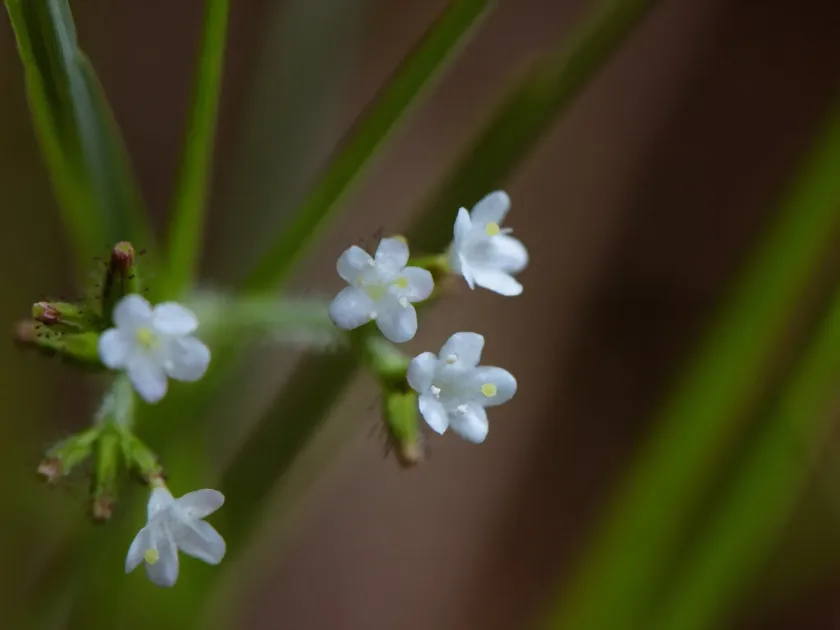
Description
Growing requirements
Triplostegia glandulifera is a perennial herbaceous plant belonging to the Caprifoliaceae family. Native to mountainous regions, this species is well-adapted to high-altitude environments characterized by temperate climates and consistent moisture availability throughout the growing season.
Optimal cultivation requires well-drained, humus-rich soil with a neutral to slightly acidic pH. The plant is particularly sensitive to waterlogging; therefore, selecting sites with natural slope or establishing advanced drainage systems is crucial for preventing root rot and ensuring vigorous growth.
The climate requirements for Triplostegia glandulifera include cool summers and protection from extreme temperature fluctuations. In agricultural settings, it is essential to manage light exposure, as the plant benefits from partial shade, particularly in regions prone to intense solar radiation.
Agronomic management involves regular irrigation to maintain stable soil moisture levels, avoiding both drought stress and water saturation. Incorporating organic amendments annually supports soil structure and promotes the biosynthesis of secondary metabolites, which are the primary economic value of this crop.
The economic significance of Triplostegia glandulifera is centered on its medicinal applications. The pharmaceutical industry utilizes extracts from the plant for their anti-inflammatory properties, making it a specialized niche crop that requires precise cultivation practices to ensure high-quality yields.
Main diseases and pests
Root rot diseases are the most significant threats to Triplostegia glandulifera, typically triggered by poor drainage and excessive watering. Once established, these pathogens can rapidly degrade the plant's health, leading to significant yield losses in commercial production fields.
Slugs and snails pose a consistent threat to the foliage, especially during periods of high humidity. Integrated pest management strategies, such as physical barriers and the promotion of natural predator habitats, are effective in minimizing the impact of these mollusks on the crop.
Powdery mildew represents a common fungal threat when plants are overcrowded. Ensuring adequate air circulation between rows and individual plants is a critical preventive measure that reduces the microclimate humidity suitable for fungal spore development.
Aphid infestations are occasionally observed on younger stems, causing structural damage and potential transmission of plant viruses. Early detection and the application of botanical or biological insecticides help maintain plant vigor without compromising the medicinal quality of the harvested materials.
Constant field monitoring is mandatory to manage these risks effectively. By maintaining high standards of field hygiene and adhering to recommended spacing guidelines, producers can successfully protect their Triplostegia glandulifera crops from major biotic stressors.