
Willdenow's clover
Trifolium willdenovii Spreng.
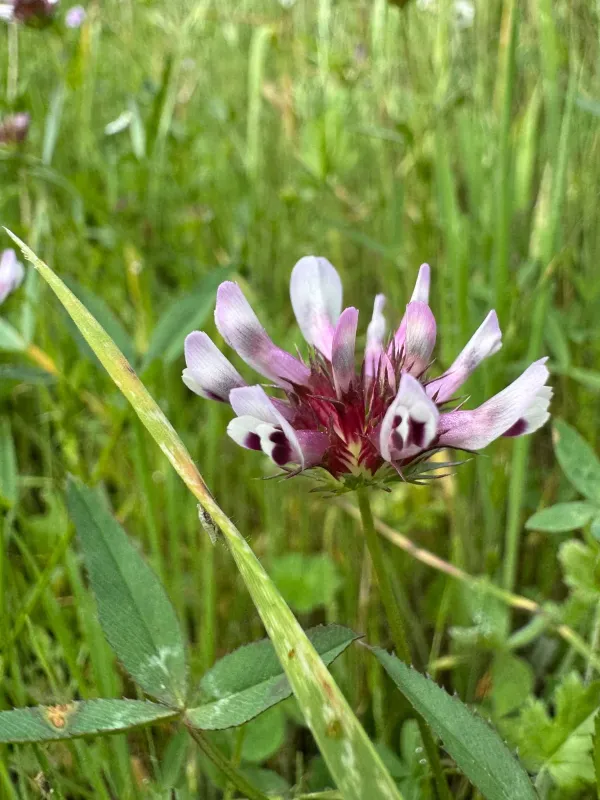
Description
Sowing dates
Willdenow's clover is an annual herbaceous plant belonging to the Fabaceae family. Sowing is typically performed in early spring when the soil reaches 5–8 degrees Celsius, ensuring optimal germination and initial growth.
Proper field preparation is essential, as the seeds are quite small and require a fine, firm seedbed; they should be sown at a shallow depth of 1–2 centimeters for best results.
The recommended seeding rate depends on seed purity and germination quality, generally ranging from 10 to 12 kilograms per hectare when using standard drilling methods.
This crop is sensitive to weed competition during the seedling stage, making it crucial to utilize clean fields or implement effective pre-sowing weed control strategies.
It can be cultivated as a monoculture or in mixtures with grasses, which often helps in creating a more balanced forage nutrient profile for livestock feeding.
Growing requirements
Native to western parts of North America, this species is well-adapted to climates featuring moderately moist springs and dry summers, exhibiting good tolerance for seasonal droughts.
Regarding soil conditions, the plant prefers well-drained loams or sandy soils, ideally with a neutral to slightly acidic pH level for optimum root system expansion.
A fundamental requirement for successful cultivation is the presence of specific nitrogen-fixing bacteria in the soil, which are essential for the symbiotic process and nitrogen enrichment.
Willdenow's clover is highly sensitive to waterlogging and poor drainage, so it is strictly advised to avoid low-lying fields where standing water might accumulate.
The plant shows high responsiveness to phosphorus and potassium fertilization, which effectively supports the development of robust roots and enhances overall plant resilience.
Main diseases and pests
The main phytopathological risks for this species include various forms of powdery mildew, which tend to proliferate in conditions of high humidity or overly dense crop stands.
Root rot diseases caused by soil-borne pathogens can significantly impact productivity if crop rotation protocols are neglected, requiring a return interval of at least 3–4 years.
Weevils are considered one of the primary pest threats, as they feed on both foliage and reproductive structures, which can lead to a drastic reduction in seed yield.
Aphid infestations are also a common concern, as they extract sap from young stems and may act as vectors for various plant viruses, necessitating diligent field monitoring.
- Frequent field scouting to identify early signs of damage
- Strict adherence to crop rotation to mitigate soil-borne diseases
- Use of high-quality, treated seeds to ensure a healthy crop start
Harvesting
Harvesting for green fodder should be executed during the peak flowering phase, as this period corresponds to the highest concentration of essential nutrients in the biomass.
When producing hay, it is vital to ensure rapid drying to retain the leaves, which contain the vast majority of the crop's total protein and vitamin content.
Mowing should be performed at a height of 5–7 centimeters above the soil surface to encourage rapid regrowth of the aftermath and protect vital carbohydrate reserves in the crown.
For seed production, harvesting is timed when the majority of the pods have turned brown, while being careful to avoid over-maturity to minimize seed shattering and field losses.
Post-harvest processing involves thorough cleaning of the seed lot and drying to a moisture level of 12–14 percent to guarantee stability during storage in controlled environments.