
Subterranean clover
Trifolium subterraneum L. subsp. subterraneum
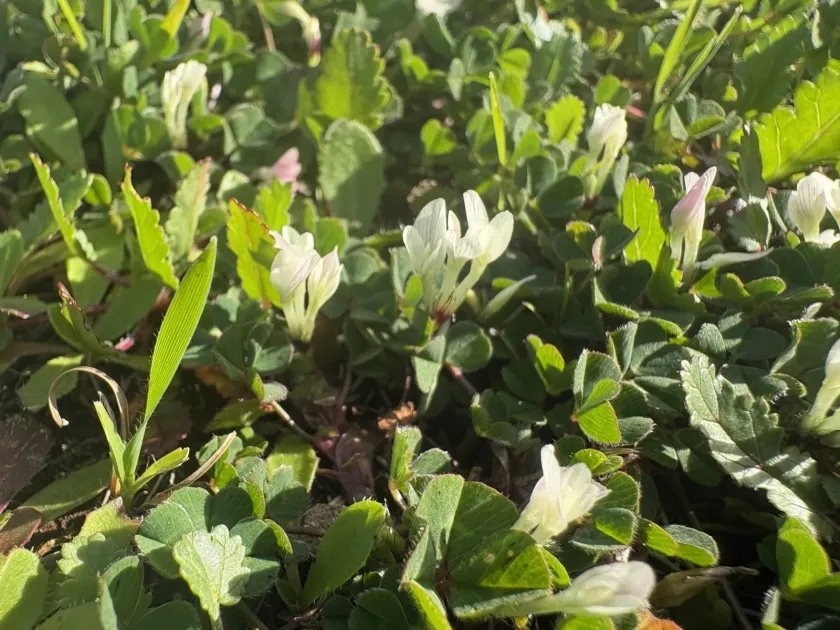
Description
Sowing dates
Subterranean clover is an annual legume that relies on timely autumn rains for germination. It is crucial to sow the seeds early enough to allow the plants to establish a strong root system before the onset of winter temperatures.
The optimal seeding rate varies based on the purpose, typically ranging from 5 to 15 kilograms per hectare. Proper seedbed preparation is essential to ensure that seeds are in direct contact with the soil for better moisture absorption.
Rolling the soil after sowing is a standard practice that helps secure the seeds and improves emergence. This step is particularly important in drier environments to prevent the topsoil from losing critical moisture for germination.
In regions with colder winter climates, spring sowing is sometimes practiced. However, this requires careful monitoring of soil moisture levels to ensure the plants can produce sufficient biomass before the arrival of summer heat.
Uniformity in sowing is vital for maintaining a consistent pasture density. Using a seed drill helps place seeds at an appropriate depth, typically 1 to 2 centimeters, ensuring protection from birds and excessive drying.
Growing requirements
This crop belongs to the Fabaceae family and is native to the Mediterranean basin. It is uniquely adapted to thrive in areas with mild, wet winters and warm, dry summers, which matches its natural biological cycle.
Subterranean clover prefers well-drained soils, ranging from sandy loams to heavier clay soils with a neutral to slightly acidic pH. Poorly drained areas should be avoided, as stagnant water can lead to root rot.
The plant has specific nutrient requirements, primarily favoring soils rich in phosphorus and sulfur. Adequate levels of these nutrients are necessary for vigorous growth and effective nitrogen fixation by symbiotic bacteria in root nodules.
Climate is a major factor in the success of this crop. It requires a temperate environment where rainfall is consistent during the growing season, as extreme cold or prolonged drought during flowering can be detrimental.
Sunlight is another critical factor. While it is a low-growing plant, it performs best in full sun and may struggle in heavily shaded areas where taller competitive grasses might dominate the canopy.
Yield
Subterranean clover is primarily utilized as a high-quality forage crop for livestock, especially sheep and cattle. It provides excellent protein content, which is essential for healthy animal development and weight gain.
A distinctive feature of this species is its ability to bury its seeds in the soil, known as geocarpy. This mechanism ensures that the pasture can naturally regenerate year after year without the need for frequent reseeding.
The biomass yield is highly dependent on the level of grazing management. By controlling the stocking rate, farmers can ensure that the clover maintains its competitive advantage and continues to produce high volumes of feed.
Beyond its value as fodder, it serves as an effective cover crop. It improves soil structure through root action and increases soil fertility by naturally adding nitrogen back into the soil through biological fixation.
The crop is highly tolerant of grazing pressure. Due to its prostrate growth habit, it can recover quickly even under intensive grazing, provided that the plants have reached a stage where seed set is not compromised.
Main diseases and pests
The main threats to subterranean clover crops are fungal diseases, such as rust and root rot, which thrive under conditions of high humidity and cool temperatures. These diseases can significantly reduce photosynthetic efficiency.
Insects like the red-legged earth mite and various weevils pose a significant threat, especially to young seedlings. They can cause patchy emergence and reduce the overall density of the stand if not managed properly.
Aphids can also cause damage by sucking sap and spreading plant viruses. Regular field scouting is necessary to identify outbreaks before they reach critical levels that could threaten the entire pasture.
Competitive weeds can also reduce yield by competing for water and nutrients. Using selective herbicides or rotational grazing strategies can help maintain the dominance of the clover over unwanted species.
Preventative measures, such as choosing disease-resistant varieties and maintaining appropriate soil nutrient balance, are the most effective ways to manage threats. Ensuring proper drainage also helps in minimizing the risk of water-borne pathogens.