
Subterranean clover
Trifolium subterraneum L. subsp. brachycalycinum Katzn. & Morley
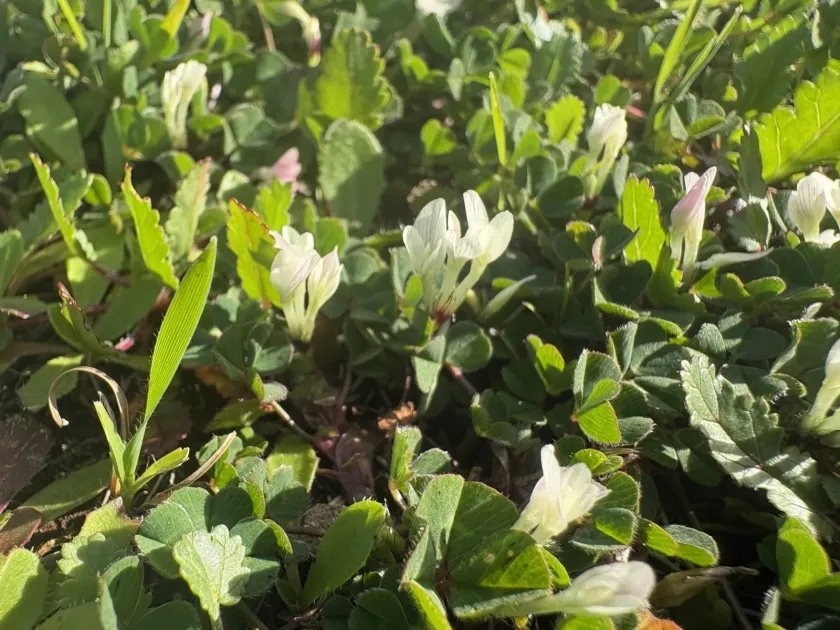
Description
Sowing dates
Subterranean clover is typically sown in late summer or early autumn, just before the rainy season begins to ensure successful germination and seedling establishment.
Proper soil preparation is crucial; the surface should be loose and friable to facilitate the plant's unique geocarpic behavior, where it buries its seed pods.
The sowing depth should be maintained between 1 to 2 centimeters to prevent seedling stress and ensure contact with soil moisture.
In Mediterranean-type climates, early sowing is recommended to allow the plants to develop deep root systems before the winter cold sets in.
Seeding rates usually range from 10 to 15 kg per hectare for pure stands, depending on the specific cultivar and intended use of the pasture.
Growing requirements
This species is highly adaptable to a variety of soil types, including loams and sandy soils, provided they are well-drained and have a pH between 5.5 and 7.0.
It thrives in temperate climates with mild, wet winters and warm, dry springs, which align perfectly with the plant's natural life cycle.
Subterranean clover is known for its nitrogen-fixing capabilities, which improve soil fertility without the need for high levels of synthetic nitrogen fertilizers.
It prefers full sun but can tolerate moderate shading during the early stages of its development, making it suitable for overseeding in existing pastures.
The plant is sensitive to high salinity, which can hinder root development and overall biomass production, so soil testing is recommended before planting.
Yield
Biomass production is highly dependent on rainfall distribution, with typical yields reaching up to 4-6 tonnes of dry matter per hectare under optimal conditions.
The forage quality is exceptional, offering high protein content and digestibility, which makes it a preferred feed for sheep and cattle.
Because the plant buries its seeds, it possesses a high regenerative capacity, ensuring consistent yields in following years through natural self-seeding.
Even when the vegetative parts dry out, the standing hay and buried seeds remain a valuable energy source for grazing animals during summer.
Phosphate fertilization significantly boosts production, particularly on phosphorus-deficient soils, which are common in many growing regions.
Main diseases and pests
Common pests include red-legged earth mites and lucerne fleas, which can cause significant damage to young seedlings and leaf surfaces.
Root rot diseases are the most frequent threat, especially in waterlogged areas where drainage is insufficient during the winter months.
Powdery mildew can occur in dense stands under high humidity, potentially reducing the nutritional value of the forage mass.
Viral diseases transmitted by aphids can stunt plant growth and reduce the overall yield of the pasture.
Integrated pest management, including crop rotation and the use of resistant cultivars, is essential for maintaining a healthy and productive crop.
Harvesting
For hay production, harvesting should take place at the peak of flowering, before the seed heads begin to bury themselves into the soil.
Rotational grazing is the standard management practice, allowing for a rest period that prevents the depletion of seed reserves in the soil.
Avoiding overgrazing is vital to protect the crowns of the plants and ensure they can recover and provide sufficient forage for the next cycle.
Seed harvesting requires specialized equipment designed to extract the pods from the surface and top layer of the soil.
Proper harvest timing ensures maximum nutritional value and supports the long-term sustainability of the pasture ecosystem.