
Hybrid white clover
Trifolium repens x Trifolium ambiguum
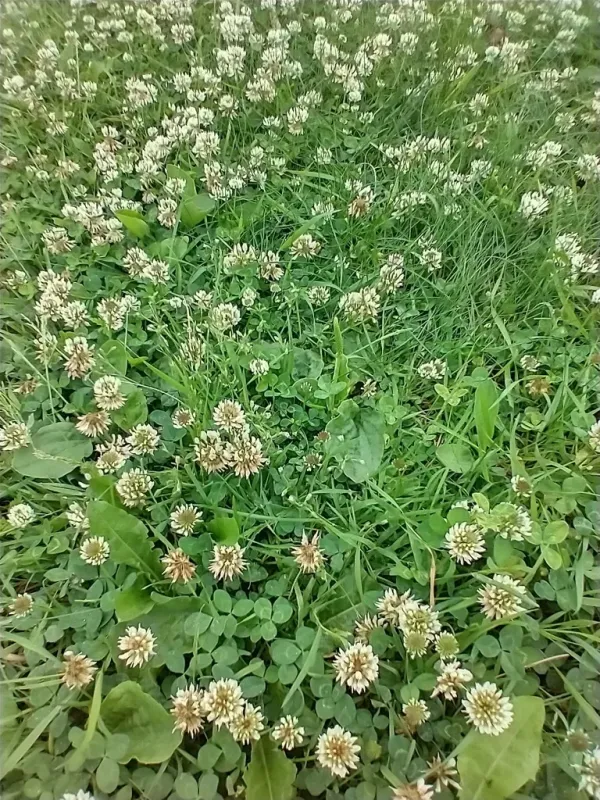
Description
Sowing dates
Sowing hybrid white clover is best performed in early spring, when soil moisture is optimal for germination. This timing allows the plants to establish a strong root system before the onset of summer heat.
Seed depth should be kept shallow, between 0.5 and 1.5 cm. On heavier soils, surface sowing is preferred to ensure that the small seeds do not struggle to emerge, while in lighter, sandy soils, slightly deeper planting is acceptable.
The recommended seeding rate is 8–12 kg per hectare for pure stands. When integrated into pasture mixes with perennial grasses, this rate is reduced to ensure a balanced competition between the clover and other components.
Proper seedbed preparation is critical. A firm, weed-free soil surface is necessary to guarantee good seed-to-soil contact. Rolling the field after sowing is a standard practice to improve germination rates significantly.
Using high-quality, scarified seeds ensures more uniform emergence. Given the vigorous nature of this hybrid, choosing an appropriate sowing time allows it to quickly occupy the space and suppress potential weed growth.
Growing requirements
Hybrid white clover is known for its superior environmental adaptability. It combines the creeping habit of white clover with the deep-rooting characteristics of Kura clover, providing exceptional cold and drought tolerance.
The crop thrives in well-drained, fertile soils with a pH ranging from neutral to slightly acidic. Unlike standard white clover, it displays improved tolerance to waterlogging, making it suitable for a wider variety of site conditions.
While preferring full sun, it exhibits remarkable shade tolerance, allowing it to maintain growth in mixed-species stands. This flexibility makes it highly valuable for multi-purpose pasture systems.
Balanced fertilization with phosphorus and potassium is essential to support the nitrogen-fixing activity of the rhizobia bacteria associated with the roots. Proper nutrition significantly reduces the need for synthetic nitrogen fertilizers.
The crop is highly resilient to grazing and frequent cutting. Its ability to spread via stolons and rhizomes enables the stand to persist for many years, even under intensive livestock management pressure.
Yield
The forage yield of hybrid white clover is highly productive, making it a reliable source of protein for livestock. In well-managed systems, it can support multiple cuts per season, providing consistent biomass.
High dry matter content and nutritional density characterize this hybrid. It is particularly valued for its high digestibility, which makes it an excellent choice for dairy and beef cattle production systems.
Peak biomass accumulation occurs just before the flowering stage. Harvesting or grazing during this window maximizes the return on protein and energy per hectare, ensuring the best livestock performance.
Excellent regrowth potential allows the crop to recover quickly after harvesting. This makes it a dependable component of summer green fodder systems, filling potential gaps in the seasonal forage supply.
The nutritional profile remains stable throughout the season, which helps farmers maintain a high standard of feed quality. Its palatability remains high for grazing animals even during the later stages of growth.
Main diseases and pests
Although robust, the crop can be vulnerable to fungal diseases in excessively humid conditions. Leaf spots or root rots may occur if the stand is poorly managed or grown in waterlogged, compacted soils.
Preventative measures include ensuring good soil drainage and avoiding overgrazing. Maintaining soil health through proper fertilization contributes significantly to the plant's natural resistance against common pathogens.
Certain weevils and other foliage-feeding insects can cause damage, particularly during periods of warm, dry weather. Regular monitoring is advised to detect infestation levels before they impact forage production.
Effective management strategies, including timely mowing, can help break the cycle of pest reproduction. Generally, the vigor of the hybrid clover allows it to withstand minor damage without significant yield loss.
Selecting adapted cultivars is the primary defense against localized pests and diseases. A balanced approach combining crop monitoring and sound agronomy ensures the long-term health of the pasture stand.
Harvesting
For hay production, the clover should be harvested at the early flowering stage. This timing captures the optimal balance of nutrient content and dry matter yield, facilitating efficient curing and storage.
Gentle handling during mowing and tedding is crucial to preserve the leaves, which are the most nutritious parts of the plant. Modern equipment that minimizes leaf shattering is highly recommended for high-quality output.
Pasture rotation is key to maintaining the long-term productivity of the stand. Allowing sufficient rest periods between grazing cycles ensures that the plants can replenish their root reserves and persist over many seasons.
Seed harvesting should be performed when the heads turn brown and the seeds are firm. Harvesting in dry weather is vital to prevent mold growth during post-harvest storage and to ensure seed viability.
After harvest, drying and proper cleaning are essential to prepare the seeds for storage. Keeping them in a cool, dry environment ensures that the seeds retain their high germination capacity until the next sowing season.