
Michel's clover
Trifolium michelianum Savi
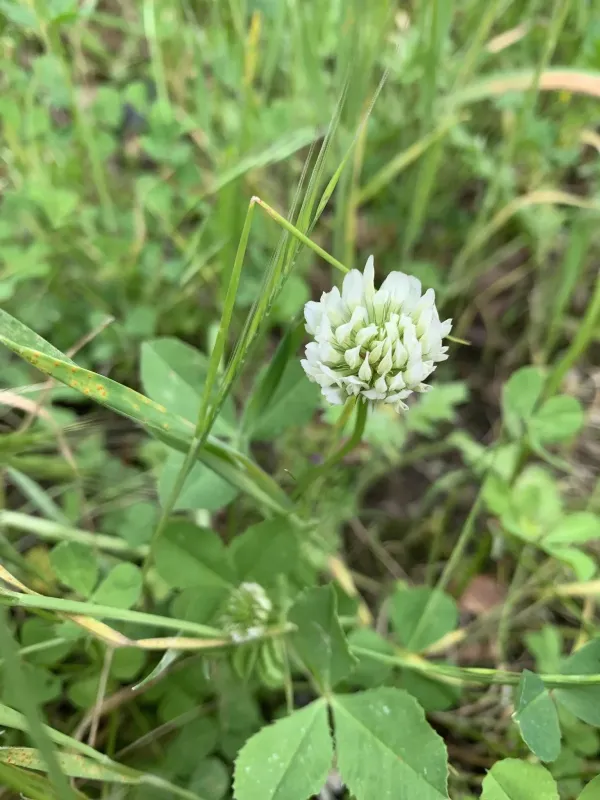
Description
Sowing dates
Michel's clover is an annual legume species often integrated into pasture mixtures for its high productivity. The optimal sowing time is early spring, once soil temperatures reach 8–10 degrees Celsius, which encourages uniform and rapid germination.
For cultivation in temperate climates, seeds are sown using standard row-seeding techniques. The seeding rate varies depending on soil fertility and the intended use, generally ranging from 6 to 10 kilograms of seed per hectare for pure stands.
Achieving a shallow planting depth, ideally no more than 1–2 centimeters, is critical for success. Because the seeds are small, thorough seedbed preparation and light rolling are necessary to ensure proper soil-to-seed contact and moisture retention.
The plant demonstrates aggressive initial growth, allowing it to compete effectively against weed pressures in the early stages of development. In mild climatic regions, winter sowing is sometimes practiced to secure early green forage in the following season.
Post-sowing field management involves consolidating the surface to promote capillary action of water, which is vital if spring rainfall is limited. Proper moisture management during the first few weeks ensures the survival of the young clover seedlings.
Growing requirements
Michel's clover thrives in moderately moist, loamy, or clay-based soils with a neutral to slightly acidic pH. It is particularly valued for its high tolerance to waterlogging and temporary flooding, making it suitable for riparian and low-lying areas.
It is sensitive to shading, so it should not be undersown with aggressive, high-density grain crops. The best results are achieved in well-drained locations that are rich in organic matter and receive adequate sunlight throughout the growing period.
The ideal temperature range for active growth is between 18 and 25 degrees Celsius. While it is a robust plant, it does not handle prolonged drought well; in drier regions, irrigation is essential to maintain biomass production levels.
Agronomic management includes the application of phosphorus and potassium fertilizers to support root system development. Nitrogen application should be minimal, as the plant effectively fixes atmospheric nitrogen through symbiotic root nodules.
Maintaining soil aeration is important, especially after heavy rain, as crusting can impede development. Light harrowing is often used to break the surface crust and improve oxygen circulation, which facilitates faster growth and healthier plants.
Yield
Under optimal management conditions, Michel's clover can yield between 20 and 30 tons of fresh green matter per hectare. The final biomass production is highly contingent upon rainfall distribution and available soil nutrients throughout the season.
The crop also possesses high seed production potential, making it a viable option for farm-level seed multiplication. Under favorable conditions, seed yields can reach up to 500 kilograms per hectare, providing an additional economic benefit.
Nutritionally, the plant is highly regarded for its protein content, sugars, and essential minerals. Livestock readily consume the forage, leading to improved weight gain and productivity in dairy and meat-producing operations.
The peak biomass yield is typically reached during the full flowering stage, which is the recommended time for the primary harvest. Delaying the harvest beyond this point results in stem lignification, which reduces the nutritional value of the feed.
This species is well-suited for rotational grazing as it tolerates moderate grazing pressure. Its ability to regrow quickly after being grazed allows for multiple cycles of utilization within a single growing season.
Main diseases and pests
Michel's clover can be susceptible to common legume diseases, such as anthracnose and powdery mildew. Effective prevention strategies include maintaining a strict crop rotation and avoiding planting clover on the same site for at least three to four years.
Insect pests, including clover weevils and nematodes, pose the most significant risk to the plant by damaging foliage and reproductive organs. Regular field monitoring is essential to catch infestations early and prevent significant economic loss.
Excessive moisture and dense canopy cover may encourage the development of various rot pathogens. Implementing agronomic practices like adequate spacing and improved field drainage remains the best defense against fungal issues.
Chemical control must be used judiciously, particularly when the crop is designated for pasture grazing. Prioritizing biological control methods and preventative management through careful sowing timing is highly recommended for sustainable farming.
Weed control is vital during the establishment phase, as opportunistic weeds can outcompete young clover. Selective herbicides or timely mechanical harrowing are effective methods to manage unwanted vegetation until the clover canopy closes.
Harvesting
For fresh green forage, harvesting should occur during peak flowering to ensure the highest nutrient concentration. When producing hay or haylage, the use of conditioning mowers is recommended to speed up the drying process and improve feed quality.
Seed harvesting should begin as soon as the flower heads turn brown. Precise timing is essential to prevent seed shattering, which can cause significant loss of the harvest yield if the crop is left in the field for too long.
A two-stage harvesting process — windrowing followed by pickup — often results in higher-quality seed. This approach reduces harvest losses and allows the harvested material to finish maturing under controlled conditions before final processing.
After collection, the windrows should be pressed or transported to storage facilities promptly. Seed storage must occur in cool, dry, and well-ventilated structures to maintain germination viability and prevent mold growth.
In a balanced crop rotation, Michel's clover serves as an excellent predecessor for subsequent crops, as it leaves the soil enriched with organic nitrogen. Incorporating residues into the soil adds valuable organic matter for future plantings.