
Trichotosia vestita
Trichotosia vestita
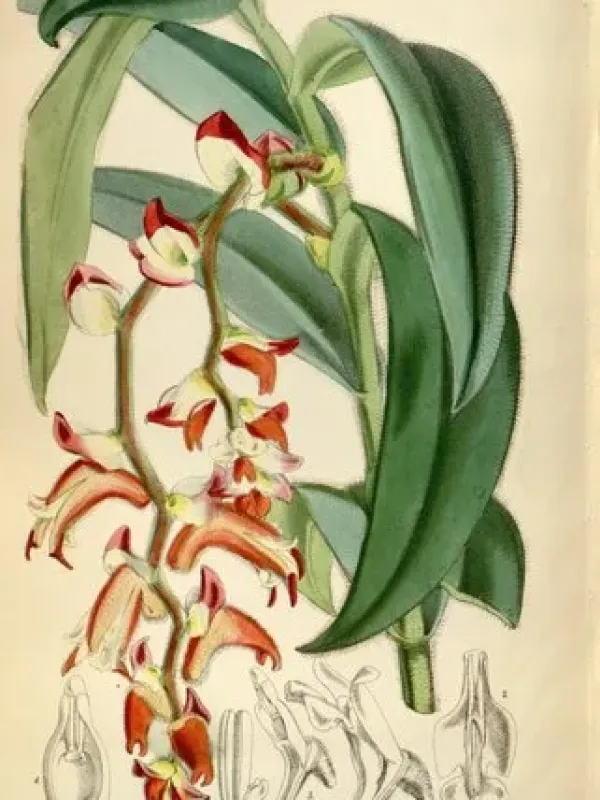
Description
Growing requirements
Successful cultivation of Trichotosia vestita requires a high-quality, airy substrate that allows for rapid drainage. A mixture of pine bark, charcoal, and sphagnum moss is highly recommended to provide the necessary structure for root development.
Humidity is the most critical environmental factor; levels should remain between 70% and 80%. Using a humidifier or a misting system is often necessary to ensure the plant does not experience dehydration, particularly in heated indoor spaces.
The lighting needs are best described as bright, filtered light. Direct sunlight is harmful and will quickly scorch the delicate, hairy leaves, so proper shading techniques should be employed to protect the plant throughout the day.
Watering must be done carefully, ideally early in the day, ensuring that no water collects in the crown of the plant. Soft, purified water is essential, as the accumulation of mineral salts can lead to root damage and overall decline.
During the growing season, a balanced orchid fertilizer should be applied at a very low concentration. Regular ventilation is also required to prevent the buildup of stale air, which is a common cause of fungal issues in indoor orchid collections.
Main diseases and pests
The most common threats to Trichotosia vestita are fungal and bacterial infections caused by poor air circulation or overwatering. Root rot is particularly dangerous and can lead to the rapid deterioration of the plant's vascular system.
Pests such as spider mites, mealybugs, and scale insects are frequent problems. These pests thrive in dry conditions and can quickly weaken the plant by feeding on the sap, making the foliage prone to yellowing and stunted growth.
Management involves regular inspections of the underside of leaves and stems. Should an infestation occur, immediate isolation of the affected plant is necessary to prevent the spread to other parts of the collection.
Treatment should involve gentle insecticidal soaps or neem oil solutions if the infestation is mild. For severe cases, specialized systemic products may be used, though care must be taken to avoid damaging the plant's delicate tissues.
Preventative care is highly effective; maintaining high hygiene standards, such as cleaning pots and utilizing sterile tools for trimming, significantly reduces the risk of pathogens entering the collection or damaging the plant's health.