
Trichopilia hennisiana
Trichopilia hennisiana
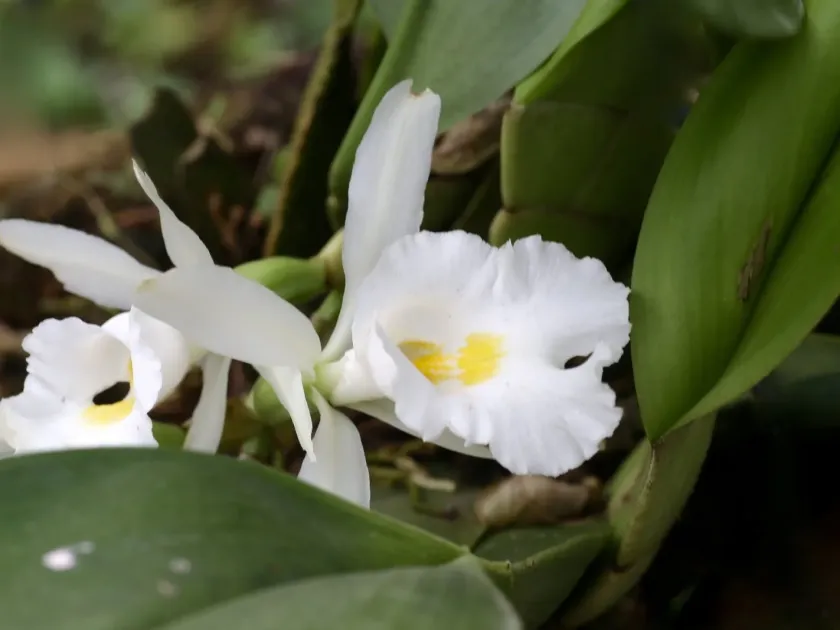
Description
Growing requirements
Trichopilia hennisiana is a fascinating species of epiphytic orchid belonging to the Orchidaceae family. It is native to the cloud forests of Colombia, where it grows attached to trees under the canopy, thriving in humid, misty environments.
In cultivation, this orchid requires bright, indirect light. Placing it in an east or west-facing window is usually ideal, as intense midday sun can easily scorch the foliage and damage the plant's health.
Temperature control is essential for this species. It prefers a temperate climate with daytime temperatures around 20–24°C and a distinct drop during the night to roughly 15–17°C, which helps the plant reset and promotes strong growth cycles.
The planting medium must facilitate rapid drainage. A specialized orchid mix consisting of coarse bark, charcoal, and a small amount of perlite or sphagnum moss is recommended to ensure the roots receive adequate air circulation while remaining hydrated.
Humidity levels should remain consistently high, ideally between 60% and 80%. Frequent misting or the use of a humidifier near the plant is highly recommended, especially in environments where indoor heating may dry out the air significantly.
Main diseases and pests
Common pests affecting this orchid include spider mites and mealybugs. These insects often thrive in dry conditions, so maintaining the correct humidity is both a cultural requirement and a preventative measure against infestation.
Fungal pathogens are a significant threat if the plant is kept too wet. Root rot is the most common issue resulting from overwatering or a degraded substrate. Ensuring proper airflow around the base of the plant is vital to prevent leaf and root infections.