
Trichoneura grandiglumis
Trichoneura grandiglumis
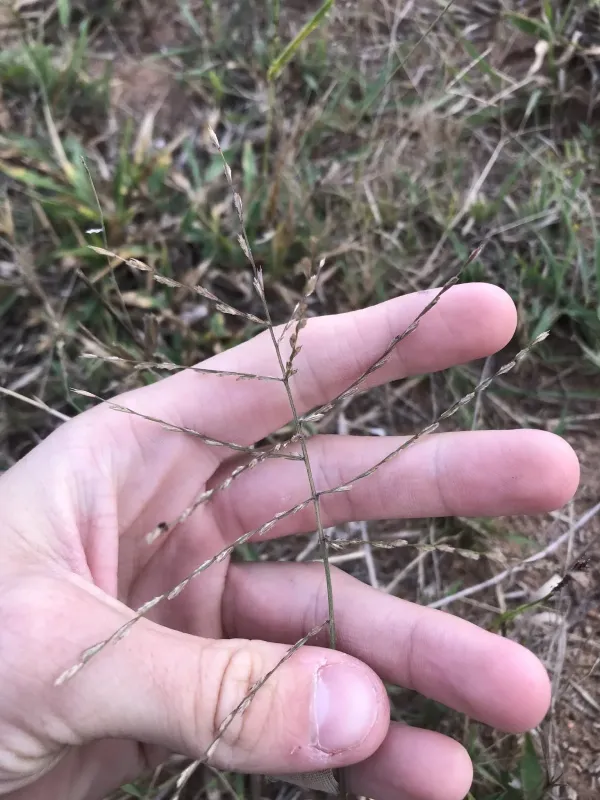
Description
Growing requirements
Trichoneura grandiglumis is a perennial grass species belonging to the Poaceae family. Native to Africa, this plant is a vital component of natural grasslands, providing essential nutrients for both wild herbivores and domestic livestock in challenging environmental conditions.
The culture is highly valued for its drought tolerance and ability to thrive in semi-arid regions. It performs well in poor, sandy, or rocky soils, where it helps prevent soil erosion while providing a reliable source of green biomass when other forage species might struggle to survive.
Botanically, it forms dense tufts with narrow leaves and distinctive, large glumes on the spikelets. Its robust root system allows it to access deep soil moisture, which is a critical adaptation for surviving the long dry seasons typical of its native habitat in southern and eastern Africa.
The primary agricultural application for this species is as a grazing forage. Farmers utilize it because of its palatability and its capacity to recover quickly after grazing or cutting. It maintains a reasonable nutritional profile, making it a reliable choice for sustainable livestock production.
Environmental requirements for Trichoneura grandiglumis emphasize warm temperatures and high solar radiation. It is best suited for regions with distinct wet and dry seasons, as it triggers rapid physiological growth cycles immediately following the first significant rainfall events of the year.
Main diseases and pests
Fungal diseases, particularly rusts and leaf spots, pose the most significant threat to the health of the stands during periods of high humidity. Excessive moisture around the base of the plant can lead to crown rot, which drastically reduces the yield and longevity of the perennial clumps.
Insect pests such as locusts and grasshoppers represent a major challenge, as they can rapidly defoliate large areas of pasture. Regular monitoring is essential to prevent large-scale infestations that could lead to complete loss of forage availability during the critical mid-season growth period.
Overgrazing remains the most significant management-related threat. If animals remain on the pasture for too long, the plant cannot store sufficient energy in its roots for regrowth, leading to a decline in plant density and the encroachment of opportunistic weed species into the damaged areas.
Competition from aggressive weeds is a primary concern during the seedling establishment phase. Without proper site preparation and initial weed management, Trichoneura grandiglumis may fail to establish a strong root system, ultimately leading to poor stand uniformity and lower forage production.
Preventative strategies should focus on rotational grazing practices that allow for adequate recovery time. Additionally, ensuring proper drainage and avoiding waterlogged conditions will significantly reduce the likelihood of fungal pathogens, ensuring the health and productivity of the pasture over several years.