
Trichoneura elegans
Trichoneura elegans
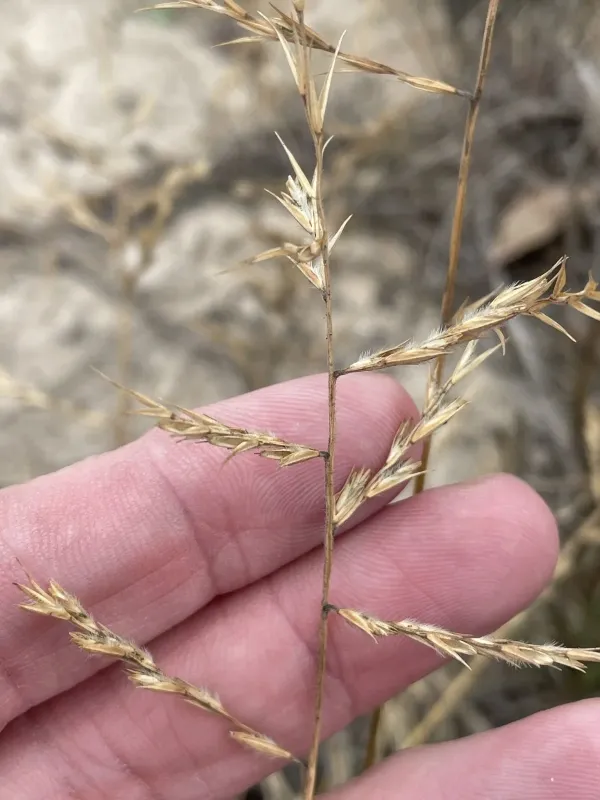
Description
Sowing dates
Trichoneura elegans is a perennial grass species that propagates primarily through seeds in its natural habitat. For agricultural cultivation, it is recommended to initiate sowing once soil temperatures stabilize and reach levels optimal for seed germination.
Preparation of the seedbed requires meticulous surface leveling, as the seeds of this grass are relatively small and require shallow placement. Sowing depth should not exceed 1–2 centimeters to ensure uniform and vigorous seedling emergence.
Seeding rates are calculated based on the purity and germination potential of the seed material, as well as the intended use, whether for hay production or grazing. In temperate regions, spring is considered the ideal time for sowing, providing the necessary moisture for early vegetative growth.
After sowing, light rolling of the soil is highly recommended to improve seed-to-soil contact. This practice promotes faster moisture absorption and prevents the topsoil from drying out during the critical germination phase.
Care during the first year of establishment involves vigilant weed management, as competing vegetation can easily suppress the slow-developing seedlings. Selective herbicides should only be considered after the plants have reached the tillering stage.
Growing requirements
Belonging to the Poaceae family, this crop demonstrates remarkable ecological plasticity and adapts to various soil types. Maximum productivity is typically observed on well-drained loams with a sufficient humus content.
The plant exhibits significant drought tolerance, making it an excellent candidate for regions prone to rainfall deficits. Its root system is capable of penetrating deep soil horizons to access moisture and nutrients that are unavailable to more shallow-rooted species.
Trichoneura elegans is light-demanding, and therefore, for optimal yields, it is necessary to avoid shading the crop with trees or structures. It prefers open areas with good air circulation, which also helps mitigate the risk of fungal diseases.
Soil pH should ideally be in the neutral to slightly acidic range, as growth can be significantly stunted in highly acidic soils. Liming may be necessary prior to soil preparation if the site does not meet these requirements.
The temperature optimum for active growth is between 20 and 25 degrees Celsius, although the plant can withstand temporary cold spells without significant damage to its vegetative structures.
Yield
The agricultural value of Trichoneura elegans lies in its use as a robust component of forage systems for livestock. The green biomass maintains high nutritional quality during the jointing phase, making it a valuable ingredient in pasture mixtures.
Yields of green biomass are directly correlated with mineral nutrition, particularly the application of nitrogen fertilizers, which stimulate regrowth after cutting. Under intensive management, up to three cuts per season may be achievable.
In irrigated farming systems, the productivity of Trichoneura elegans increases substantially, allowing for consistent production of high-quality hay. Regular fertilization after each harvest is crucial to replenish nutrient levels and support plant vitality.
Seed harvesting requires careful timing, as the ripening of the panicles is often uneven. It is advisable to begin harvesting when the seeds reach a wax-ripe stage to prevent significant losses due to shattering.
Proper storage of harvested hay is essential; facilities must be dry and well-ventilated to prevent mold development, especially given the hygroscopic nature of dry plant matter.
Main diseases and pests
Root rots are the primary threat to the crop, especially under conditions of waterlogging or poor drainage. Prophylaxis focuses on irrigation management and ensuring that fields are well-drained to avoid moisture stagnation.
Among pests, cereal flies and aphids can cause considerable damage to young shoots, thereby reducing total biomass. Monitoring is critical, and insecticides should be deployed only if economic thresholds are exceeded to minimize environmental impact.
Cereal rust diseases can significantly lower the feed quality by damaging foliage and reducing photosynthetic efficiency. Utilizing resistant varieties and implementing crop rotation are the primary strategies for managing these pathogens.
During extreme drought years, fields may be susceptible to meadow moth infestations, which can rapidly consume large quantities of foliage. Timely harvesting or targeted chemical applications can prevent widespread damage to the pasture.
- Implement regular phytosanitary field inspections.
- Clear surrounding areas of weed species that host potential pathogens.
- Maintain a balanced mineral fertilizer program to enhance plant natural resistance.
Harvesting
Harvesting for hay should occur at the heading stage to achieve the ideal balance of protein and fiber content. Delaying the harvest leads to stem lignification, which significantly reduces the palatability and digestibility for livestock.
To speed up the drying process, the cut material is left in swaths for 1–2 days and turned periodically to ensure even moisture evaporation. Monitoring weather forecasts is vital to avoid exposing the hay to precipitation during the drying process.
For haylage production, the process involves chopping the material, which is then compacted in silos or airtight bags. This method preserves a higher proportion of vitamins and essential nutrients compared to traditional hay drying.
The state of the stubble after harvest determines future pasture productivity, so the cutting height should be at least 5–7 centimeters. This protects the plant’s growth points and facilitates rapid recovery of the regrowth.
In grazing scenarios, a rotational grazing system should be implemented to allow for sufficient rest periods, ensuring the long-term sustainability and vigor of the pasture stand.