
Trichocentrum nanum
Trichocentrum nanum (Lindl.) M. W. Chase & N. H. Williams
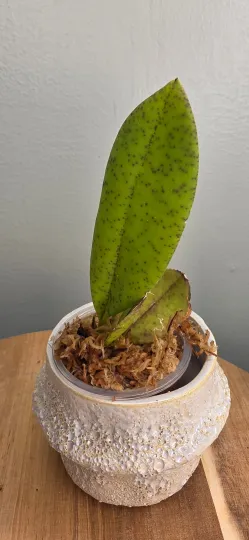
Description
Growing requirements
Trichocentrum nanum (Trichocentrum nanum) is a miniature epiphytic orchid belonging to the Orchidaceae family. Native to the tropical regions of Central and South America, this species thrives in high-humidity environments where it grows on tree branches.
To cultivate this plant successfully, one must maintain temperatures between 18°C and 25°C. As an epiphyte, it requires excellent air circulation to mimic its natural habitat and prevent stagnation around the roots and leaves.
The plant needs bright, indirect sunlight to perform photosynthesis efficiently. Direct sun should be avoided as it can scorch the foliage, while insufficient light levels will hinder the plant's ability to bloom and grow properly.
Humidity management is crucial; it should be kept at around 70-80%. Regular misting or the use of an automated humidification system is recommended to sustain these levels, especially in indoor environments where heating systems dry out the air.
The potting medium must be extremely well-draining. Orchid bark mixed with charcoal or sphagnum moss is ideal. Avoid dense soil mixes, as they retain too much moisture and lack the aeration necessary for the orchid's specialized roots.
Main diseases and pests
The primary threats to Trichocentrum nanum include root rot and fungal infections, usually caused by overwatering or poor drainage. These conditions can destroy the plant's root system in a very short time.
Pests such as scale insects and spider mites are frequent nuisances. They hide in the leaf axils, making detection difficult until significant damage has already been done to the plant's vigor.
Bacterial soft rot can occur if water remains in the crown of the orchid after watering. This is a progressive condition that requires immediate surgical removal of infected tissues and application of fungicides.
To manage these threats, cultivators should implement a strict inspection routine. Early detection allows for the removal of pests with a cotton swab dipped in alcohol, which is safe and effective for small plants.
Maintaining a balanced nutrition program also plays a role in plant defense. A healthy, well-fed orchid is more capable of resisting opportunistic pathogens that attack weakened plants in poorly ventilated areas.