
Tribolium hispidum
Tribolium hispidum
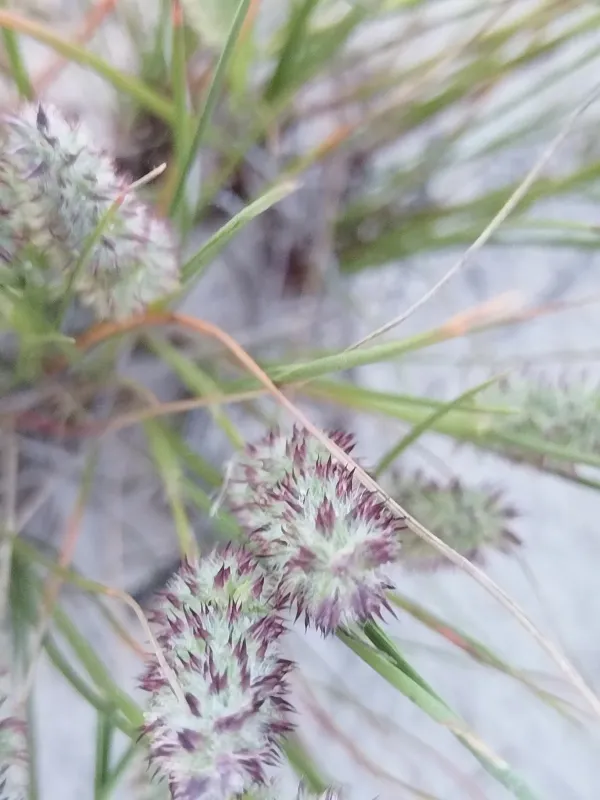
Description
Sowing dates
Tribolium hispidum is an annual herbaceous plant belonging to the Poaceae family. Successful cultivation begins with ensuring the soil reaches optimal temperatures, usually between 12 to 15 degrees Celsius, to promote uniform germination.
Planting is typically scheduled for the spring, once the risk of late frosts has passed. Selecting a site with good sun exposure and protection from strong winds is crucial for the robust development of the plant.
The seeding depth should be maintained at approximately 2–3 centimeters. Soil texture plays a role here; on lighter soils, the depth may be slightly increased, while heavier clay soils require shallower placement.
Maintaining proper plant density is vital to avoid competition for nutrients and water. Excessive overcrowding can lead to poor air circulation, increasing the risk of diseases at the base of the stems.
After seeding, rolling the soil surface is recommended to ensure good seed-to-soil contact. This practice promotes consistent moisture uptake, which is essential for uniform crop emergence.
Growing requirements
The plant has moderate climate requirements, preferring regions with ample sunlight and consistent rainfall during the vegetative stages. Excessive cloudiness during flowering can impact pollination efficiency.
Loamy and chernozem soils are preferred for this crop, although it is adaptable to various soil types if proper management is applied. Maintaining a neutral soil pH is important for optimal nutrient uptake.
Balanced fertilization, including nitrogen, phosphorus, and potassium, is essential for high yields. Fertilizer application should be based on soil analysis results to ensure the specific needs of the plant are met.
Water requirements peak during critical developmental stages, specifically at the boot and flowering phases. Adequate irrigation during dry spells is highly recommended to maintain biological productivity.
Weed management is a critical task during the early stages of development. Because the plant grows relatively slowly at first, early weed control is necessary to prevent competition for light and nutrients.
Yield
Crop yields for Tribolium hispidum are highly dependent on adherence to agricultural regulations and proper rotation practices. Stable results are achievable when all cultivation requirements are met.
Good agricultural practices, such as choosing appropriate preceding crops and timely fertilization, significantly impact the final harvest weight. Crop rotation helps maintain soil fertility over time.
The quality of the harvested grain depends heavily on the timing of the harvest. Farmers must ensure the crop is harvested at the peak of maturity to avoid losses from shattering or weather-related issues.
Processing and storage are vital components of productivity. Proper grain cleaning and drying facilities are necessary to ensure the harvest reaches market standards without loss of quality.
Farmers are encouraged to use high-quality seed and integrated pest management strategies to unlock the full potential of this unique grain variety.
Main diseases and pests
Common threats to this crop include various types of rust that affect leaves and stems, particularly in high-humidity environments. Preventive fungicide treatments are recommended to manage these pathogens.
Insect pests, such as cereal flies and beetles, can cause significant damage to the reproductive organs. Monitoring populations and applying targeted treatments at early stages is essential for control.
Sanitation practices, such as removing harvest residues and practicing crop rotation, are the primary methods for disrupting the lifecycle of major diseases and pests.
Weekly field scouting throughout the growing season is necessary for early detection of potential problems. Localized issues should be treated immediately to prevent widespread infestation.
Choosing resistant cultivars is the most effective pre-emptive strategy, as it reduces the reliance on chemical inputs and ensures greater stability in varied environmental conditions.
Harvesting
Harvesting is typically done using direct or split combine methods, depending on field conditions and the maturity stage of the grain. Adjustments to the combine settings are necessary for optimal results.
The ideal harvest time is determined by grain moisture content, which should ideally be around 14-16 percent for safe storage. Harvesting at higher moisture levels requires immediate artificial drying.
Post-harvest cleaning and sorting are crucial to separate high-quality grain from debris and impurities. This process improves the storage life and marketability of the product.
Transporting the grain to storage facilities should be done in sealed vehicles to minimize losses during transit. Protecting the grain from moisture during transport is of utmost importance.
Final storage in clean, dry bins with active aeration systems is required to maintain quality and prevent overheating. Regular monitoring of the stored grain mass ensures long-term preservation.