
Horse purslane
Trianthema portulacastrum L.
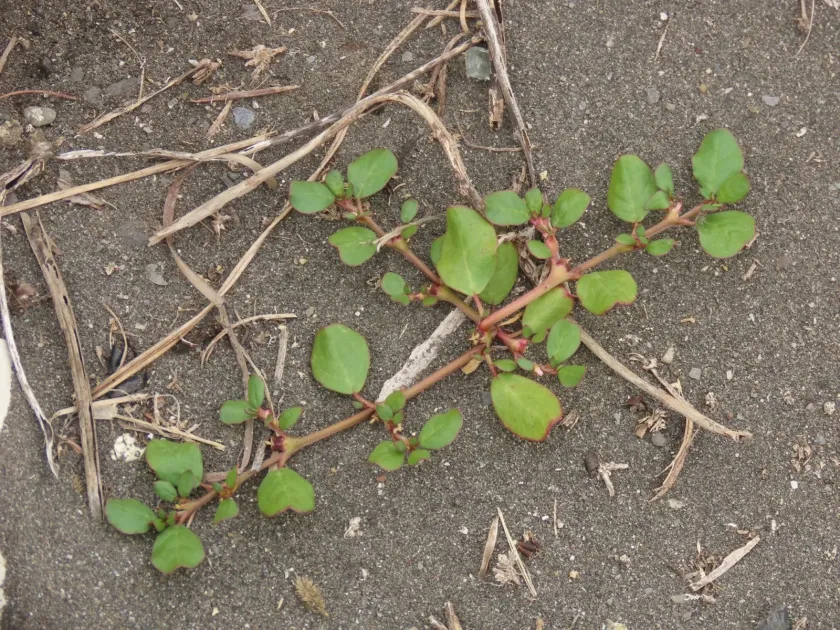
Description
Growing requirements
Trianthema portulacastrum, commonly known as horse purslane, is a herbaceous succulent plant belonging to the Aizoaceae family. It is a highly invasive species native to tropical regions, widely recognized as a major weed in agricultural landscapes worldwide.
The plant is characterized by its prostrate habit, fleshy ovate leaves, and small, pinkish or white solitary flowers. Its biological plasticity allows it to thrive in diverse environments, from fertile crop fields to degraded, saline, or compacted soils.
Optimal growth occurs under high temperatures ranging from 25 to 35 degrees Celsius, with the plant requiring significant light exposure. It demonstrates remarkable tolerance to drought, utilizing its succulent tissues to sustain metabolic functions during dry spells.
In terms of agricultural management, regular mechanical weeding is essential during the early stages of crop development. Due to its rapid growth rate and high seed production, failure to control this plant can lead to substantial yield losses in cotton, maize, and vegetable production.
- Requires high solar radiation.
- Adapted to varied soil types.
- Rapid vegetative expansion.
While often viewed as a nuisance, horse purslane has traditional uses in medicinal practices and acts as an emergency forage crop for livestock in some arid regions. However, its uncontrolled spread remains a priority concern for agronomists.
Main diseases and pests
Major threats to the crop include various fungal diseases that cause collar and root rots, particularly under conditions of poor soil drainage. These pathogens can significantly inhibit plant development and reduce the overall biomass yield.
Pests, including aphids and whiteflies, frequently colonize the succulent stems, causing tissue damage and acting as vectors for plant viruses. Effective management involves integrated pest control methods and maintaining field sanitation to minimize pathogen carryover.