
Trianaea nobilis
Trianaea nobilis
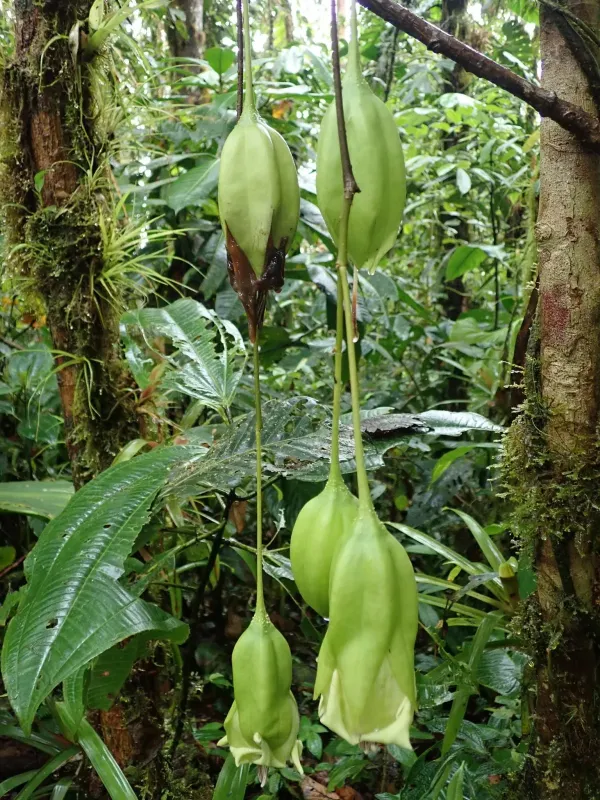
Description
Growing requirements
Trianaea nobilis is a unique member of the Solanaceae family, known for its distinctive morphology and evergreen shrubby growth habit. It belongs to a genus that thrives in high-altitude forest ecosystems.
The natural habitat of this species is located in the Andean regions of Colombia and Ecuador. It is adapted to cool, moist environments characterized by high humidity levels and limited direct thermal stress throughout the year.
Cultivation requires a well-draining, nutrient-rich potting medium to support healthy root development. Neutral to slightly acidic soil conditions are ideal for maintaining the plant's overall vigor and nutrient uptake efficiency.
Temperature management is a critical aspect of care, as Trianaea nobilis does not tolerate extreme heat or frost. An indoor or greenhouse temperature range of 18 to 25 degrees Celsius is considered optimal for consistent growth.
Regular maintenance includes consistent hydration without waterlogging the root system. Furthermore, providing bright, filtered light helps mimic the dappled light conditions of its native cloud forests, preventing foliage scorching.
Yield
The primary utility of Trianaea nobilis lies in its botanical and decorative value. It is highly sought after by collectors and botanical gardens for its unique floral architecture, which distinguishes it from common Solanaceae crops.
From an agricultural standpoint, propagation via cuttings remains the most efficient method for increasing stock. Greenhouse production focuses on maintaining genetic diversity and ensuring the health of mother plants.
Seed production is possible but requires careful manual pollination. The development of seed capsules is a slow process, making seed-based propagation less common than vegetative methods in nursery settings.
There is ongoing interest in the phytochemical composition of the species. Research into its alkaloid content contributes to the broader understanding of the Solanaceae family's medicinal potential and chemical diversity.
As a specialized culture, its economic output is measured by its rarity and aesthetic appeal rather than large-scale biomass yields. Quality management remains the priority in specialized plant cultivation programs.
Main diseases and pests
Common greenhouse pests such as spider mites and whiteflies present the most significant threat to the health of Trianaea nobilis. These pests can cause rapid defoliation if left untreated in indoor environments.
Fungal pathogens, particularly those causing root rot, are frequent issues associated with poor drainage and excessive substrate moisture. Maintaining strict irrigation protocols is essential for prevention.
Environmental stress, such as improper pH levels, can lead to nutrient deficiencies and chlorosis. Monitoring the substrate and applying balanced fertilizers at regular intervals can prevent these physiological imbalances.
Preventive care should include regular leaf inspections and the application of mild, plant-safe insecticides when necessary. Ensuring high airflow is crucial to reduce the incidence of powdery mildew and other airborne infections.
- Implement a consistent pest monitoring schedule.
- Ensure containers have excellent drainage properties.
- Avoid over-fertilization to prevent salt accumulation in the soil.