
African breadfruit
Treculia africana
Description
Sowing dates
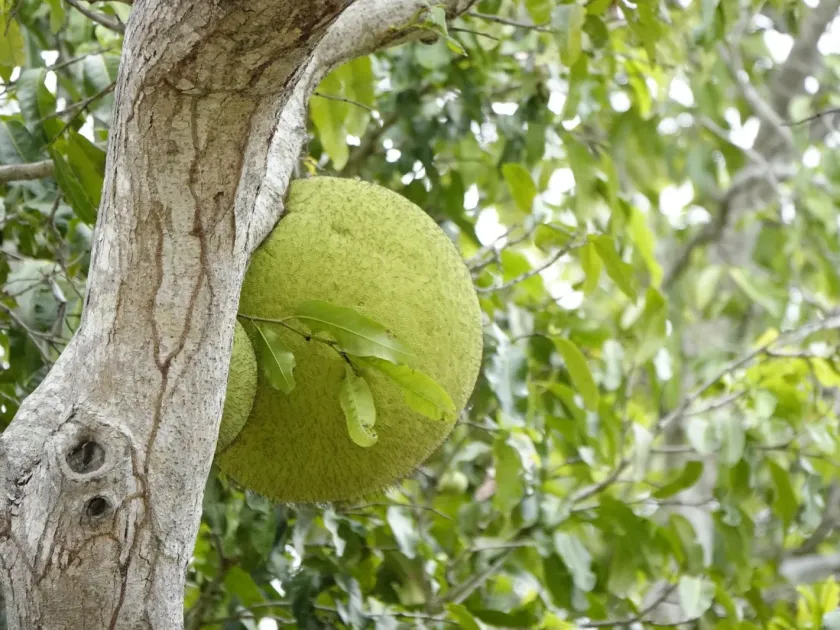
Treculia africana, commonly known as African breadfruit, is a large evergreen tree belonging to the Moraceae family. It can grow up to 30 meters tall, making it a prominent feature in tropical forest landscapes.
Propagation is primarily achieved through seeds. Because the seeds lose viability quickly after extraction from the fruit, it is essential to sow them immediately after collection to ensure high germination rates.
Nursery practices include providing high humidity and shade for seedlings. A controlled environment helps the young plants develop strong root systems before they are moved to their permanent locations.
Transplanting is best performed at the onset of the rainy season. This timing provides the natural irrigation necessary for the tree to establish itself effectively in the field.
Initial growth is slow, so providing sufficient space and protection from competing vegetation is critical during the first few years of the tree's development.
Growing requirements
The species thrives in humid tropical climates characterized by well-distributed rainfall throughout the year. It does not tolerate prolonged droughts and requires a stable moisture environment.
The ideal soil conditions are deep, fertile, and well-drained loams or alluvial soils. Poorly drained sites should be avoided, as the roots are susceptible to rot in waterlogged conditions.
Adult trees require full sunlight to achieve optimal fruit production, though partial shade is beneficial and often necessary during the sapling stage to prevent heat stress.
Regular mulching and irrigation during dry spells are part of standard management practices to ensure the tree maintains its vigor and produces high-quality fruit.
Adding organic matter such as manure or compost during the planting phase helps improve soil fertility and promotes faster vegetative growth.
Yield
The tree is prized for its massive, spherical fruits, which can reach up to 45 centimeters in diameter and weigh as much as 15 kilograms. These fruits are a vital source of nutrition.
The fruit is packed with numerous seeds embedded in a spongy pulp. These seeds are rich in protein, fat, and carbohydrates, making them an important local food staple.
Culinary uses are diverse; the seeds can be roasted, boiled, or processed into flour for baking, providing a nutritious alternative to traditional cereals in rural African regions.
Beyond food production, the wood of the African breadfruit tree is durable and useful for construction and carpentry, adding economic value to the tree beyond its fruit.
High yields from mature trees provide food security for local communities, making this crop an essential component of traditional agroforestry systems in its native range.
Main diseases and pests
Fungal infections of the fruit are a primary concern, particularly during periods of excessive rainfall. Poor air circulation within the tree's dense canopy can exacerbate these issues.
Insect pests, including various types of weevils and borers, can attack both the fruit and the seeds, leading to significant post-harvest losses if not managed properly.
Root diseases, often caused by soil-borne pathogens in waterlogged soils, pose a significant threat to tree health, potentially causing decline or mortality in older individuals.
Integrated pest management strategies, such as regular sanitation, pruning to improve canopy airflow, and monitoring, are recommended to maintain plant health.
Deforestation and habitat loss are significant indirect threats that impact the biodiversity and natural regeneration of this valuable tropical tree species.
Harvesting
Harvesting usually begins when fruits reach physical maturity. Key indicators include a change in skin color and a distinct aroma that signifies the fruit is ready for processing.
Due to the size and weight of the fruit, it is common to collect them from the ground once they fall naturally, though careful manual harvesting from branches is also practiced.
Prompt post-harvest processing is crucial. The pulp is highly perishable in warm climates, so seeds must be extracted, cleaned, and dried shortly after the fruit is gathered.
Drying the seeds properly is the most effective method for preserving them for long-term storage, ensuring their availability for food throughout the off-season.
Efficient management of the harvest cycle, from gathering to drying, allows for the maximization of the nutritional benefits provided by this versatile tropical crop.