
Trapella sinensis
Trapella sinensis
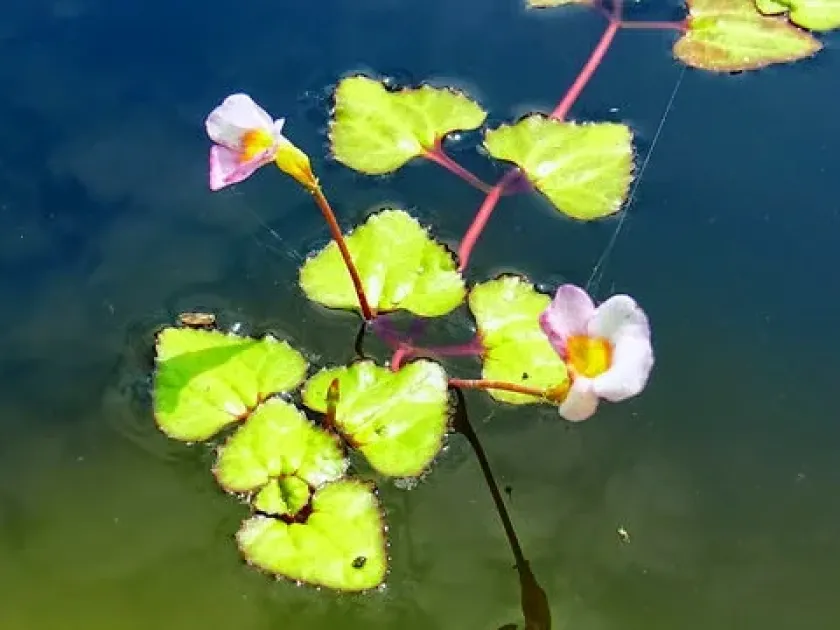
Description
Growing requirements
Trapella sinensis is a unique aquatic plant belonging to the family Pedaliaceae. It is a highly specialized species that spends the majority of its life cycle floating in slow-moving or static water bodies, representing an interesting subject for botanical study.
The plant originates from East Asia, primarily found in China, Korea, and Japan. Its distribution is limited to specific ecological niches, such as small ponds, sheltered lake areas, and irrigation canals where the water current is minimal and the depth remains constant.
Regarding cultivation requirements, Trapella sinensis thrives best in nutrient-rich sediments composed of silt and clay. It necessitates a stable water temperature, typically between 20°C and 28°C during the growing season, to ensure successful reproduction and maturation.
Light availability is a fundamental factor for this species. Being a free-floating or shallow-rooted aquatic plant, it demands intense solar exposure to support its vigorous vegetative growth. Any obstruction to direct sunlight, such as tall vegetation or shading, can limit its vigor.
In terms of utilization, while not a mainstream agricultural crop, it is valued in specialized horticultural settings for naturalizing ponds. Some traditional uses have been documented, but it is primarily recognized for its ecological role and its significance in biodiversity conservation.
Main diseases and pests
The primary threats to Trapella sinensis include water pollution and the degradation of aquatic habitats. Excess nitrogen and phosphorus from agricultural runoff encourage competing algal blooms that starve the plant of oxygen and light.
Pests and herbivores pose a constant challenge in its natural habitat. Aquatic insects, particularly beetles and larval stages of various flies, frequently graze on the leaves, leading to weakened plants and reduced reproductive capacity.
Pathogenic fungi can cause root and stem rot, particularly in water bodies with poor circulation. Monitoring for signs of decay is crucial for maintaining healthy populations in artificial or semi-natural environments.
Climate change and unpredictable water levels significantly impact the plant's survival. Rapid drainage of irrigation channels or severe drought conditions often result in the total loss of established populations within a single season.
Conservation efforts for this species are focused on maintaining high-quality aquatic corridors. Protecting the integrity of its native wetlands remains the most effective strategy against the extinction of this rare botanical specimen.