
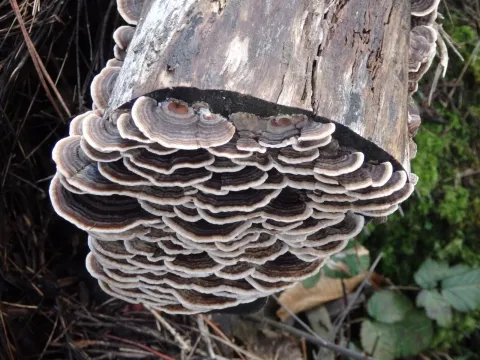
Trametes
Trametes Fr.
Trametes belongs to the Polyporaceae family and is a typical wood-decay saprotrophic fungus. Unlike field crops, its cultivation involves inoculating a prepared lignocellulosic substrate with mycelium.
What the section contains

Trametes
The optimal time for inoculation in controlled environments is spring or autumn, as stable microclimate conditions are easier to maintain. The process of substrate colonization by mycelium can take 3 to 6 weeks depending on the strain and temperature.
Commercial cultivation typically uses blocks made from wood chips, hardwood sawdust, or straw. An essential preparation step is sterilization or pasteurization of the base to prevent competition from common molds.
Once the substrate is fully colonized, the blocks are moved to high-humidity chambers to trigger fruiting. Light regulation is a critical factor for the development of proper fruiting bodies.
As this is a spore-producing fungus, strict sanitary standards must be maintained during industrial cultivation to avoid uncontrolled spore dispersal within the production facility.
Trametes prefers a moderate climate with high relative humidity ranging from 80% to 90%. The fungus grows actively at temperatures between +20°C and +25°C during the mycelium growth stage.
Substrate requirements include a high content of cellulose and lignin, as these fungi are active wood degraders. The optimal pH level of the environment should range between 5.5 and 6.5.
For successful fruiting body development, a fresh air supply is necessary, as these fungi are sensitive to carbon dioxide accumulation. Efficient ventilation with an air exchange rate of at least 4–6 times per hour must be provided.
Lighting is a mandatory stimulus for cap formation. Although the fungus can develop in partial shade, light intensity must be sufficient for the synthesis of specific pigments that define the fruiting body's coloration.
The purity of the water used for substrate hydration is crucial. Excess chlorine or heavy metals can negatively impact mycelium development and the quality of the final product.
Trametes yield is highly dependent on substrate composition and adherence to cultivation technologies. On average, one kilogram of wet substrate can yield between 150 and 250 grams of high-quality dried fruiting bodies.
The fruiting cycle is typically divided into several flushes. The first flush is the most productive, accounting for up to 60% of the total harvest gathered over the block's entire lifespan.
Crop productivity directly correlates with the packing density of the substrate blocks. A substrate that is too loose leads to rapid nutrient depletion and reduced weight of the finished product.
The use of supplements, such as bran or flour, allows for a 15–20% increase in biomass yield. However, this requires stricter control over the sanitary condition of the blocks due to the high risk of pathogen contamination.
Regular moisture monitoring during the active growth period helps avoid premature drying of the fruiting bodies, which is critical for maintaining marketability and medicinal properties.
The main threats to Trametes are mold fungi, such as Trichoderma, which can completely destroy the mycelium at the substrate colonization stage.
Bacterial infections, often caused by excessive moisture and water stagnation, manifest as slimy patches on the surface of the fruiting bodies and an unpleasant odor.
Pests, such as fungus gnats (sciarids), pose a serious danger. They damage both the mycelium and the developing fruiting bodies, lowering the market value of the crop.
Mites can be introduced into cultivation chambers along with raw materials. They feed on the mycelium and carry spores of pathogenic fungi, making their control a complex task.
- Maintenance of temperature regimes.
- Regular disinfection of equipment.
- Use of high-efficiency air filters.
- Quality thermal treatment of the substrate.
Trametes harvesting is performed at a phase when the fruiting bodies reach their maximum size but before active sporulation begins, as spore release decreases the concentration of beneficial compounds.
Fruiting bodies are carefully cut at the base using a sharp, sterile tool. It is important not to damage the substrate surface layer to ensure conditions for the next flush of the crop.
After harvesting, the product is subjected to rapid drying at a temperature not exceeding +45°C. This allows for the preservation of the bioactive compounds that this mushroom species is famous for.
The dried mushrooms are stored in airtight containers in a dry, dark, and cool place. Under optimal conditions, the shelf life can reach two years without loss of quality.
Before packaging and distribution, sorting is conducted to remove damaged or deformed specimens, ensuring compliance with quality standards for pharmaceutical or dietary use.