
Traganopsis glomerata
Traganopsis glomerata
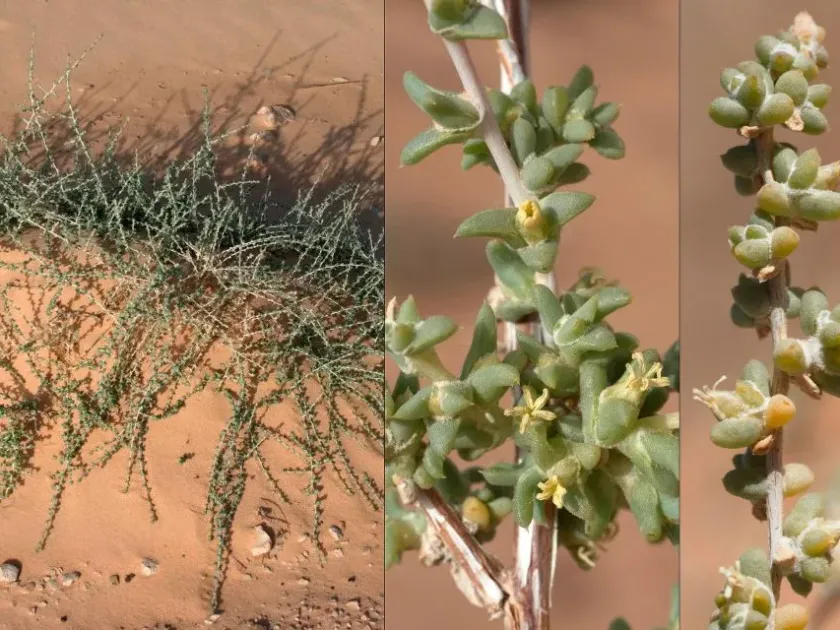
Description
Sowing dates
Traganopsis glomerata is a distinct member of the Amaranthaceae family, native to the harsh, arid environments of North Africa and the Arabian Peninsula. It represents a specialized plant form adapted to desert ecosystems.
The plant demonstrates remarkable physiological resistance to water scarcity. Its life cycle is synchronized with the irregular precipitation patterns typical of its native range, allowing it to survive prolonged droughts.
Sowing should be performed in well-drained, sandy soils that allow for rapid root penetration. The seeds require stable temperatures and a degree of light to break dormancy effectively.
Early growth stages are characterized by a slow rate of development. It is essential to ensure that the site remains free from invasive weed species that could compete for limited soil moisture during establishment.
Strategic timing of sowing is critical; planting during the early stages of the wet season ensures that the plant has enough time to develop a robust root system before the onset of extreme heat.
Growing requirements
As a halophytic species, Traganopsis glomerata thrives in soils with high saline content, which would be inhibitory for most conventional agricultural crops. It prefers loose, aerated soil structures.
Sunlight is the primary energy driver for this species. Any form of shading or obstruction in an agricultural setting will lead to etiolation and a significant reduction in overall plant vigor.
Water management is the most important factor in its cultivation. While it is highly drought-tolerant, its root system is highly susceptible to hypoxia and decay if the soil remains saturated for extended periods.
Maintaining proper soil aeration is necessary to support the metabolic activities of the roots. Minimizing cultivation and trampling of the soil surface helps preserve the natural soil structure.
The nutrient requirements are modest. Over-fertilization, especially with nitrates, is generally counterproductive as it can alter the chemical balance of the foliage and decrease the plant's natural tolerance to environmental stress.
Main diseases and pests
The primary biotic threats to Traganopsis glomerata include locusts and other desert-dwelling phytophagous insects. These pests can rapidly defoliate large areas if not monitored and managed.
Pathogenic threats are usually minimal in the plant’s natural habitat. However, in dense agricultural stands, root pathogens can emerge if moisture levels are not strictly managed.
The integrity of the stems should be monitored to prevent secondary infections. Mechanical damage during weed control or harvest can serve as entry points for various localized fungal or bacterial infections.
Biological control methods are preferred over chemical pesticides to maintain the integrity of the ecosystem. Diversification of the surrounding vegetation can help attract natural predators of major pests.
Proper field hygiene, including the removal of dead or excessively decaying plant material, is recommended to reduce the risk of disease spread within a managed population.
Harvesting
Traganopsis glomerata is primarily utilized as a forage resource for livestock in arid regions. It serves as a hardy and reliable feed source for camels, sheep, and goats.
Harvesting for forage should be done selectively. By ensuring that the woody base of the plant remains intact, producers can promote regrowth and sustain the long-term productivity of the stand.
Seed harvesting occurs late in the growth season when the inflorescences turn brown and the seeds reach full maturity. Careful harvesting is required to ensure seed viability for future propagation.
The plant also plays a critical role in soil stabilization. Its extensive root system helps to anchor desert sands, making it a valuable candidate for land reclamation and desertification control projects.
Regular maintenance of the plant stands is necessary to balance its use for forage with its ecological service of soil retention, ensuring sustainable land use over many seasons.