
Ajwain
Trachyspermum ammi (L.) Sprague ex Turrill
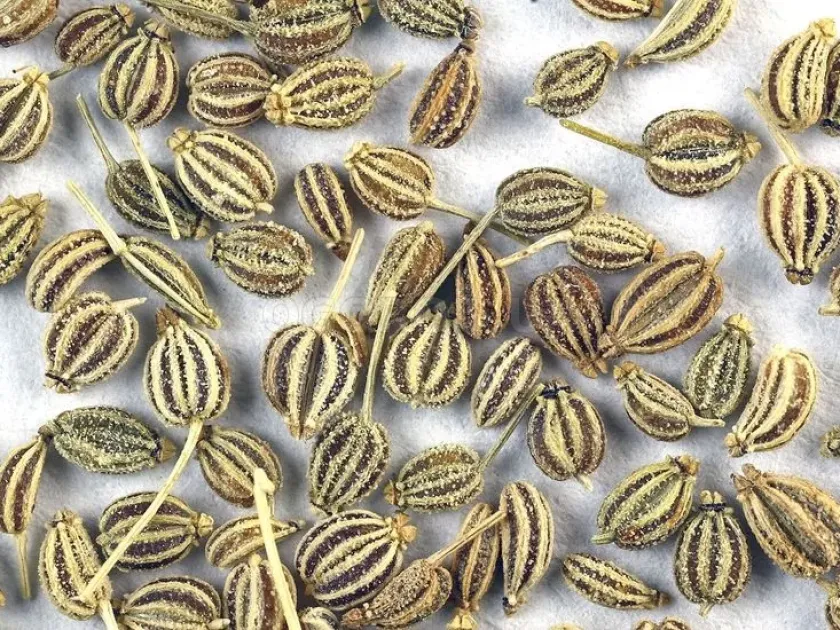
Description
Sowing dates
Ajwain is an annual herbaceous plant belonging to the Apiaceae family. Its growing season lasts between 110 and 150 days, making it essential to sow seeds in open ground only after soil temperatures reach at least 10–12°C.
The optimal time for planting is typically late April to early May. Seeds should be sown at a depth of 1.5–2 centimeters, ensuring they have sufficient contact with the soil to maintain moisture and encourage rapid germination.
For efficient crop management, row spacing is generally kept between 30 and 45 centimeters. This distance provides enough room for mechanical weeding and ensures that each plant receives adequate sunlight and ventilation.
In regions with long, warm seasons, staggered planting can be used to ensure a steady supply of produce. However, care must be taken so that the flowering phase does not coincide with extreme peak summer heat.
Seeding rates range from 5 to 8 kilograms per hectare when using precision seed drills. Uniform spacing is critical to avoid overcrowding, which can lead to lodging and poor air circulation within the canopy.
Growing requirements
Ajwain is a heat-loving crop that requires abundant sunshine throughout its growth cycle. High yields are best achieved in arid and semi-arid climates where excessive moisture does not interfere with the ripening process.
The plant thrives in light, well-drained fertile soils with a neutral or slightly alkaline pH. Heavy clay soils that retain moisture are generally unsuitable, as they significantly increase the risk of root rot and other pathogens.
Adequate water is essential during the vegetative growth and budding phases. However, once the fruits begin to ripen, irrigation should be carefully managed or reduced to prevent seed damage and ensure high oil quality.
Ajwain has moderate nutrient requirements. Excessive nitrogen application should be avoided as it promotes leafy growth at the expense of oil-rich seed development. Potassium and phosphorus are key for strengthening stalks.
Maintaining optimal soil aeration through regular shallow cultivation is beneficial for root development. Proper climate control during the growth stages ensures the high concentration of thymol, which defines the plant's value.
Yield
The yield of ajwain depends heavily on local climate, soil fertility, and effective weed management. Under ideal conditions, farmers can expect a yield ranging from 0.8 to 1.5 tons of seeds per hectare.
Plant density and timely weed control are the most critical factors impacting productivity. Because ajwain is sensitive to competition, keeping the field clean during the first weeks is vital for achieving top yields.
Product quality is primarily measured by the thymol content within the seeds. This substance is highly prized in the pharmaceutical and food industries, making quality control a primary objective for commercial growers.
Developmental delays due to cold weather can reduce the total yield, as the seeds might not reach their full potential. Harvesting must be timed precisely to avoid natural seed shattering during the final stages of maturation.
Post-harvest processing, including thorough cleaning and drying, is crucial for preserving the essential oils. Proper handling increases the shelf life and ensures the product meets stringent industrial quality standards.
Main diseases and pests
Powdery mildew is the most significant disease affecting ajwain, especially in humid conditions or where airflow is restricted. It manifests as a white, powdery fungal layer on the leaves, severely hindering photosynthesis.
Root rot is a major threat if soil drainage is inadequate. Using treated seeds and maintaining a proper crop rotation cycle helps in preventing the buildup of soil-borne pathogens that compromise plant health.
Common pests such as aphids and spider mites can cause substantial damage by feeding on plant sap. This feeding reduces the plant's vigor and may lower the overall concentration of essential oils in the developing fruits.
Integrated pest management, including biological controls and targeted systemic insecticides, is recommended. Always adhere to pre-harvest intervals for any chemical treatments to ensure the safety and quality of the final seed product.
Wild relatives of the Apiaceae family growing as weeds near the fields should be removed, as they often host the same diseases and pests that threaten ajwain crops, serving as a primary source of infestation.
Harvesting
Harvesting should commence when the seeds in the majority of the umbels have turned brown and the moisture content has dropped to roughly 12–14%. This ensures the best stability and oil content for storage.
A two-stage harvesting process is highly recommended. The plants are mowed and placed in swaths, allowing the seeds in the outer umbels to fully ripen, which results in more uniform development and fewer losses.
Once the swaths are sufficiently dry, mechanical threshing is performed using combines. This method effectively separates the seeds from the stalks while minimizing the physical damage to the small, aromatic ajwain seeds.
Harvesting is ideally performed during the cooler hours of the morning or evening when moisture levels are slightly higher, making the plants less brittle and reducing the risk of shattering during the threshing process.
Immediately after threshing, seeds must be cleaned of debris and foreign matter. They should be stored in cool, dry, well-ventilated areas in breathable sacks to prevent mold growth and preserve the volatile essential oils.