
Trachelium lanceolatum
Trachelium lanceolatum
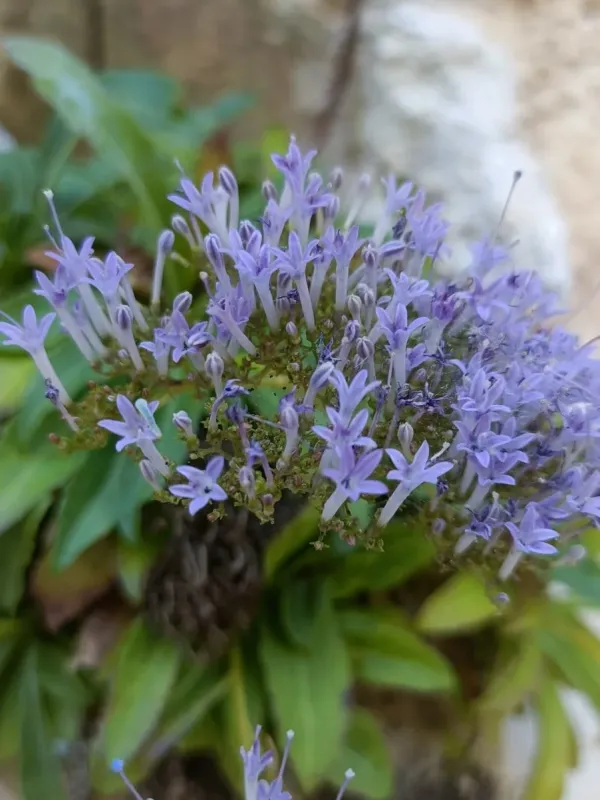
Description
Sowing dates
Trachelium lanceolatum is a heat-loving crop, so sowing dates directly depend on the climate and cultivation method. In temperate zones, sowing in seed trays begins in February or March to ensure strong plants by the summer season.
The seeds are extremely small, so they should be sown on the surface without deep coverage. Germination requires diffused light and a stable ambient temperature between 20–22 degrees Celsius.
Seedlings emerge unevenly, usually 2–3 weeks after sowing, provided that the substrate moisture is kept constant. Using containers with a transparent cover helps create the necessary microclimate for successful germination.
Pricking out is performed when the seedlings develop two true leaves. It is essential to provide sufficient lighting to the young plants; otherwise, they will become excessively stretched and lose their marketability.
Transplanting into open ground or greenhouses should only occur once the risk of spring frost has passed. The optimal time is late May or early June, once the soil has warmed up thoroughly.
Growing requirements
Trachelium lanceolatum belongs to the Campanulaceae family and prefers well-drained, fertile, loamy soils with a neutral pH level.
The crop has high light requirements. In conditions of insufficient light, the stems become weak and flowering is lackluster, so planting sites must be as open as possible.
Irrigation should be regular and moderate. Trachelium does not tolerate prolonged waterlogging, which triggers root rot, nor does it handle short-term drought well, as this slows down inflorescence development.
For intense growth and the formation of dense, umbel-like clusters, the crop requires feeding with complex mineral fertilizers high in potassium and phosphorus during the budding phase.
Although a perennial, it is often treated as an annual in colder climates. It requires protection from strong winds, which can damage the fragile and tall flowering stems.
Yield
The economic yield of Trachelium is measured by the number of marketable cut stems per unit area. With proper agronomy, one square meter can produce 40–60 high-quality stems per season.
Market quality depends on the harvest stage: inflorescences should be 70–80% open to ensure a long vase life. Harvesting too early shortens the decorative period significantly.
The size of the flower head can reach 10–15 centimeters in diameter, which is a key quality indicator for the floral market. High yields are achieved by bush management and removing weak lateral stems.
Greenhouse cultivation increases yields due to climate control and protection from rain. This allows for straighter and longer stems that are highly sought after by professional florists.
Variety choice strongly influences productivity. Hybrid forms show higher uniformity and better resilience to adverse external environmental factors.
Main diseases and pests
The primary threats to Trachelium are fungal diseases such as root rot and powdery mildew. These develop when ventilation is poor or when irrigation is excessive.
Among pests, aphids and spider mites cause the most damage, reproducing quickly in hot, dry weather. Their presence leads to leaf deformation and a loss of aesthetic appeal.
Thrips are a hidden threat that damages buds before they open. Systemic insecticides should be used during the active vegetation phase, well before the flowering stage.
To prevent outbreaks, it is crucial to follow crop rotation and avoid overcrowding. Clearing plant debris at the end of the season reduces the infection pressure on the plot.
- Regular inspection of plants for pests.
- Monitoring air humidity in greenhouses.
- Timely application of fungicides at the first sign of disease.
Harvesting
Harvesting should be performed in the early morning hours when plants are fully hydrated. This ensures maximum freshness and stem turgor for an extended period after cutting.
Cutting is done with sharp shears, leaving the lower part of the stem with a pair of leaves to allow for the potential regrowth of lateral flower stems later in the season.
Cut flowers should be placed in clean, cool water immediately. Before packaging for transport, stems are cleaned of lower leaves that might rot in the water.
Storage of harvested produce is recommended at a temperature of 2–5 degrees Celsius. This slows down respiration processes and preserves the decorative quality of the inflorescences for 10–14 days.
Trachelium lanceolatum is a highly demanded component for bouquets, making the harvest process a critical stage that requires careful sorting by stem length and opening stage.