
Trachelium
Trachelium hybrids
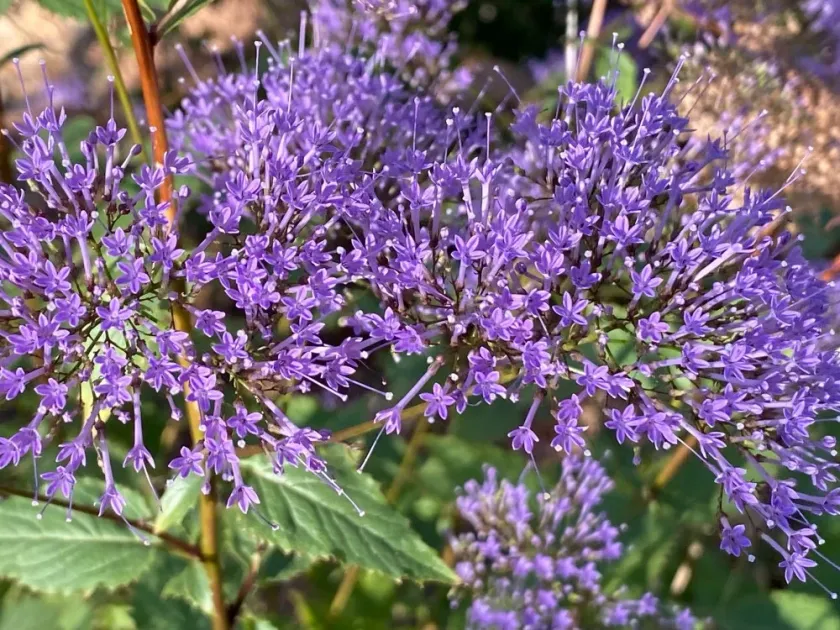
Description
Sowing dates
Trachelium hybrids, belonging to the Campanulaceae family, are highly valued in the cut flower industry for their dense, umbrella-shaped inflorescences.
The cultivation process typically begins in late winter, sowing seeds in trays filled with a sterile, fine-textured growing medium.
Because the seeds are extremely small, they require light for germination and should be sown on the surface without being covered by soil.
Maintaining a temperature of 20–22°C and high relative humidity is essential for uniform germination, which usually occurs within two to three weeks.
Seedlings should be transplanted to plugs or small pots once the first true leaves appear, ensuring the roots are well-developed before final field or greenhouse planting.
Growing requirements
Trachelium requires a sunny or partially shaded environment with well-drained, fertile soil that has a neutral pH balance.
Consistent soil moisture is critical; however, practitioners must avoid waterlogging, which significantly increases the risk of root pathogens.
In greenhouse conditions, climate control is vital: keeping temperatures between 15°C and 25°C supports vigorous growth and high-quality flower production.
Fertilization regimes should focus on balanced NPK applications, with an increase in potassium during the bud formation stage to enhance flower color.
Proper spacing is also required, usually about 20–25 cm apart, to ensure adequate airflow and reduce the humidity around the foliage.
Main diseases and pests
Common pests affecting Trachelium include aphids, thrips, and spider mites, which can damage both foliage and developing flower buds.
Fungal diseases, including powdery mildew and Botrytis, are frequent issues caused by poor ventilation and excess moisture during cool weather.
Preventative measures involve regular monitoring, keeping the growing area clean of debris, and maintaining low humidity levels in enclosed structures.
Integrated pest management, including the use of biological control agents, is recommended to minimize chemical use on crops intended for floristry.
Any plant showing signs of significant infection should be culled and removed from the greenhouse immediately to prevent secondary outbreaks.
Harvesting
Harvesting should occur when at least 50% of the florets in the cluster are open to ensure maximum post-harvest performance for the end-user.
Stems must be cut early in the morning when turgor pressure is high, followed by immediate immersion in a clean, sanitized water bucket.
Post-harvest life can be significantly extended by keeping the stems in a cool environment (approximately 4–6°C) away from direct ethylene sources.
Trachelium is a versatile filler flower, prized by florists for its unique texture and long vase life, often lasting up to two weeks with proper care.
Using floral preservatives in the vase water helps maintain the hydration of the stems and keeps the foliage vibrant and free from premature browning.