
Tithonia tubaeformis
Tithonia tubaeformis (Jacq.) Cass.
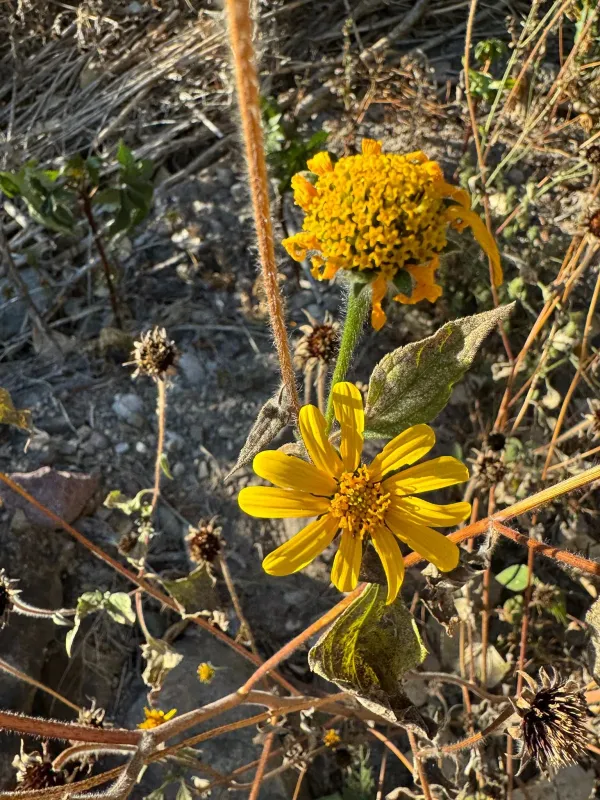
Description
Sowing dates
Tithonia tubaeformis is a warm-season crop that requires careful timing to ensure success, specifically avoiding any risks of late spring frosts during the germination phase.
Direct seeding in the garden should only occur once soil temperatures consistently remain above 20 degrees Celsius, ensuring the seeds receive adequate warmth to break dormancy.
For gardeners in shorter-season climates, starting seeds indoors in trays 4 to 6 weeks before the last frost date is an effective strategy to maximize the vegetative period.
When sowing, seeds should be lightly covered with fine soil or compost, as they benefit from moderate light exposure and consistent moisture levels to support initial root development.
Proper spacing during sowing is essential because this plant exhibits vigorous growth habits, and overcrowding can lead to diminished airflow and increased disease susceptibility later in the season.
Growing requirements
As a member of the Asteraceae family, Tithonia tubaeformis thrives in full sun, requiring at least six to eight hours of direct light daily to produce its signature tubular flowers.
The plant performs best in well-drained, loamy soils that have a neutral to slightly acidic pH, allowing for efficient nutrient uptake and rapid root expansion during the peak growth months.
While the species is relatively drought-tolerant once established, supplemental irrigation during prolonged dry spells is recommended to prevent flower abortion and maintain leaf turgidity.
Nitrogen fertilization should be managed carefully, as an excessive application can promote lush green foliage while discouraging the development of flower heads, which is counterproductive.
The ideal climatic conditions for this crop include warm, frost-free months; it is sensitive to cold snaps and will cease active metabolism when temperatures drop below 10 degrees Celsius.
Main diseases and pests
The most common pests affecting Tithonia tubaeformis are aphids and spider mites, which typically target the succulent new growth and the underside of the broad leaves.
Fungal diseases such as powdery mildew can become a significant issue during periods of high humidity and poor air circulation, necessitating prompt management and plant spacing.
Root rot is a persistent threat in poorly drained soils, often caused by waterlogging that encourages the proliferation of soil-borne pathogens in the root zone of the plant.
Integrated pest management strategies, including the removal of infected debris and the use of insecticidal soaps, are effective methods for controlling localized infestations.
Regular monitoring of the planting site throughout the growing season allows for early detection of issues, preventing potential outbreaks from causing widespread damage to the crop.
Harvesting
Harvesting for floral arrangements should be timed when the buds are showing color but have not yet fully opened, as this ensures the longest vase life for the stems.
Cut stems early in the morning when the water content in the plant is at its daily peak, which helps the plant recover quickly and resist wilting after being harvested.
Seed harvesting is conducted at the end of the season once the flower heads have dried and turned brown, indicating that the seeds have matured inside the disk florets.
Post-harvest processing involves removing the seeds from the dried flower heads and winnowing away the chaff to ensure a clean final product for long-term storage.
Seeds must be stored in airtight, cool, and dry containers to maintain their viability until the following season, as moisture exposure can cause rapid deterioration of the embryo.