
Mexican sunflower
Tithonia rotundifolia (Mill.) S. F. Blake
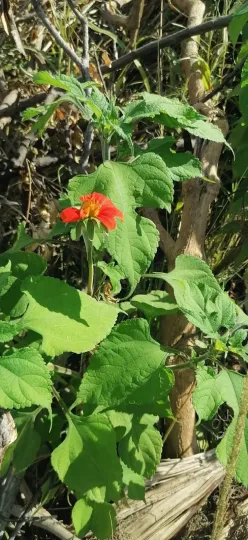
Description
Sowing dates
Tithonia rotundifolia is a heat-loving crop, so direct sowing in open ground is only feasible once the soil has warmed up significantly in late spring.
In temperate climates, the transplanting method is preferred, as it ensures earlier flower initiation and stronger plant establishment before the summer heat arrives.
Seeds should be sown indoors in late March or early April in a well-draining potting mix, keeping temperatures steady at around 20–22 degrees Celsius.
Seedlings require careful handling during the thinning process, with individual pots recommended to promote the development of a vigorous, healthy root system.
Hardening off the plants before planting them out in June is essential to ensure they survive the transition to the outdoor environment successfully.
Growing requirements
As a member of the Asteraceae family, the Mexican sunflower thrives in locations receiving full sun, which is critical for biomass accumulation and flowering.
The ideal soil for this crop is a fertile, well-draining medium with a neutral to slightly acidic pH, avoiding areas prone to waterlogging or heavy clay compaction.
While the plant is known for its remarkable drought tolerance once established, consistent irrigation during prolonged dry spells enhances overall plant performance.
Protection from strong winds is highly recommended, as the tall, branching stems of this plant can be susceptible to mechanical damage in exposed, windy locations.
Application of a balanced slow-release fertilizer at the start of the season supports the rapid growth rate characteristic of this vigorous flowering plant.
Main diseases and pests
Tithonia rotundifolia is generally resilient against many common plant pests and diseases, largely due to its natural phytochemical defense mechanisms in the tissues.
Root rot remains the most significant threat, occurring primarily in poorly drained soils or during periods of excessive rainfall, necessitating good soil management.
Occasional infestations of aphids may occur on the tender terminal growth, which can be managed effectively with biological controls or targeted insecticidal applications.
Weed management is vital during the early establishment phase to prevent competition for nutrients and water, allowing the crop to develop its full canopy cover.
Providing sufficient spacing between plants improves airflow, which is a key cultural practice in minimizing the risk of powdery mildew and other fungal issues.