
Titanopsis primosii
Titanopsis primosii
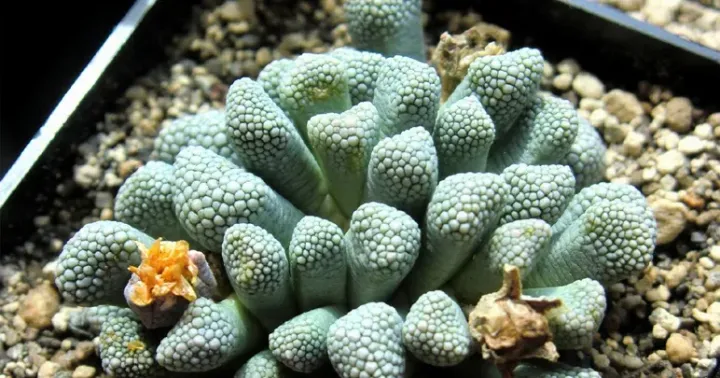
Description
Sowing dates
Sowing Titanopsis primosii seeds is most successful during early spring when day length increases. This period provides the necessary energy for young seedlings to establish a robust root system before the onset of extreme summer heat.
Prepare wide, shallow containers with excellent drainage holes, filled with a porous substrate consisting of pumice, grit, and sand. Seeds should be sown on the surface and lightly dusted with fine sand to maintain stability without preventing light penetration.
Maintain a constant temperature of approximately 22–25 degrees Celsius during the germination phase. A transparent cover can be used to create a humid environment, but it must be removed or opened once germination begins to ensure adequate airflow.
Seedlings develop very slowly and are prone to damp-off if the humidity remains too high for too long. Use a fine mist for watering, and ensure the soil is allowed to dry out significantly between watering sessions as the plants mature.
Pricking out should be delayed until the seedlings have developed at least two or three pairs of true leaves. When transplanting, handle the delicate seedlings with precision tweezers to avoid crushing the soft tissues of the young succulents.
Growing requirements
Titanopsis primosii is a member of the Aizoaceae family, native to the arid regions of South Africa. As a lithops-like succulent, it is highly adapted to intense light and periods of severe drought, which defines its core cultivation requirements.
The substrate must be highly mineral-based, strictly avoiding organic peat or heavy potting soils that retain excessive moisture. A mix of coarse sand, perlite, and small gravel provides the aeration necessary to keep the roots healthy and prevent decay.
Lighting is the most critical factor for maintaining the plant’s compact, stone-like form. It requires bright, direct sunlight or high-intensity grow lights; without sufficient light, the plant will become etiolated and lose its distinctive mimicry appearance.
Watering must follow a seasonal cycle that mimics its natural habitat. During the active growth phase, water sparingly only when the soil is completely dry, and in the winter months, maintain the plant in a dormant, dry state to prevent internal rot.
Temperature control is essential: warm, dry summers and cool, dry winters are ideal. This plant thrives in well-ventilated areas where air movement helps to regulate surface temperature and reduces the risk of fungal growth around the leaf bases.
Main diseases and pests
The primary threat to Titanopsis primosii is root rot caused by overwatering or poor drainage. Once the roots are compromised, the succulent quickly loses its structural integrity, making it difficult to recover even with intensive care.
Mealybugs are the most common pest, often hiding in the crevices between the textured, fleshy leaves. Their feeding activities weaken the plant and can serve as an entry point for opportunistic pathogens and fungal infections.
Spider mites may also infest the plant if the environment becomes too dry and stagnant. Regular monitoring with a magnifying glass is recommended to detect these pests early, especially during the peak of the summer growth season.
Management of pests and diseases should focus on systemic treatments applied at the first sign of infestation. It is advisable to use mineral-based pesticides to avoid damaging the plant's sensitive epidermis or altering its natural coloration.
Strict hygiene in the growing space is crucial for long-term health. Using sterilized tools for grooming or repotting and ensuring that water does not pool in the central cluster are effective ways to prevent most common plant health issues.